 By Emily Parker
Updated November 2026
Starting a pollinator garden takes more than a few packets of flower seed. You need to know which plants are native to your region, how to layer bloom times so bees have food from spring to frost, and how to design a bed that works in your yard. The guides below were chosen from publisher descriptions, author backgrounds, subject coverage and the kinds of feedback owners commonly share about them. We prioritized practical, region-aware advice, clear planting guidance for beginners and attention to small spaces.
Our top picks at a glance
- 1
 TOP CHOICEBest overallPollinator Friendly Gardening: Gardening for Bees, Butterflies, and Other PollinatorsView on Amazon
- 2
 TOP CHOICEBest for small yardsThe Small-Yard Pollinator Garden: A Beginner’s Guide to Creating a BeeView on Amazon
- 3
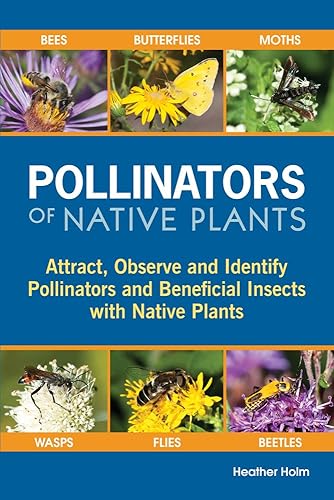 TOP CHOICEBest for native plant selectionPollinators of Native Plants: Attract, Observe and Identify PollinatorView on Amazon
- 4
 Best for northern gardensA Northern Gardener's Guide to Native Plants and PollinatorsView on Amazon
- 5
 Best for a full-season bloom planThe Pollinator Garden: A Practical Guide to Flowers, Bees, and a GardeView on Amazon
- 6
 Best for a victory-garden approachThe Pollinator Victory Garden: Win the War on Pollinator Decline withView on Amazon
- 7
 Best pocket referencePocket Pollinator Garden: Your Perfect Companion for a Beautiful PolliView on Amazon
Our Top Picks
Quick Comparison
| Product | Best for | Key feature |
|---|---|---|
| Pollinator Friendly Gardening | Overall starting point | Broad bee and butterfly coverage |
| The Small-Yard Pollinator Garden | Small yards | Space-saving layout guidance |
| Pollinators of Native Plants | Native plant selection | Plant-by-pollinator identification |
| A Northern Gardener’s Guide | Cold-climate gardens | Northern native plant lists |
| The Pollinator Garden | Season-long blooms | Bloom schedule planning |
| The Pollinator Victory Garden | Ecological gardening | Habitat-building focus |
| Pocket Pollinator Garden | On-site reference | Portable quick guide |
Pollinator Friendly Gardening: Gardening for Bees, Butterflies, and Other Pollinators
Pollinator Friendly Gardening: Gardening for Bees, Butterflies, and Other Pollinators
Best for: Overall starting point
This is a good first book for someone who wants a broad overview of how to attract bees and butterflies without a specialist background.
Pros
- Covers a wide range of pollinator groups, not just bees
- Accessible writing for beginners
Cons
- Less detail on small-space layouts
The Small-Yard Pollinator Garden: A Beginner’s Guide to Creating a Bee, Butterfly, and Hummingbird-Friendly Garden with Native Plants in Limited Space
The Small-Yard Pollinator Garden: A Beginner’s Guide to Creating a Bee, Butterfly, and Hummingbird-Friendly Garden with Native Plants in Limited Space
Best for: Small yards
Written for homeowners working with a patch of lawn, a side bed or a balcony-sized plot who need to fit a functional habitat into limited room.
Pros
- Practical space-planning ideas
- Covers bees, butterflies and hummingbirds
Cons
- Plant lists lean toward certain regions
Pollinators of Native Plants: Attract, Observe and Identify Pollinators and Beneficial Insects with Native Plants
Pollinators of Native Plants: Attract, Observe and Identify Pollinators and Beneficial Insects with Native Plants
Best for: Native plant selection
A good fit for gardeners who want to match specific native plants to the insects they hope to see, and who enjoy observing visitors.
Pros
- Pairs plants with the pollinators they support
- Useful for identification in the garden
Cons
- Less focus on layout and design
A Northern Gardener’s Guide to Native Plants and Pollinators
A Northern Gardener's Guide to Native Plants and Pollinators
Best for: Northern gardens
Suited to gardeners in cold winters and short growing seasons who need plant choices that handle frost and still feed early and late-season pollinators.
Pros
- Plant suggestions tuned to cold climates
- Connects native plants with local pollinators
Cons
- Less relevant for warm southern regions
The Pollinator Garden: A Practical Guide to Flowers, Bees, and a Garden That Blooms All Season
The Pollinator Garden: A Practical Guide to Flowers, Bees, and a Garden That Blooms All Season
Best for: Season-long blooms
Ideal for gardeners who want flowers from early spring through fall, so pollinators always have something to feed on.
Pros
- Focus on sequencing bloom times
- Practical, step-by-step planting advice
Cons
- Plant selection may need local adjustment
The Pollinator Victory Garden: Win the War on Pollinator Decline with Ecological Gardening; Attract and Support Bees, Beetles, Butterflies, Bats, and Other Pollinators
The Pollinator Victory Garden: Win the War on Pollinator Decline with Ecological Gardening; Attract and Support Bees, Beetles, Butterflies, Bats, and Other Pollinators
Best for: Ecological gardening
Best for readers who want to think about pollinator habitat as part of a larger ecological approach, including bats and beetles as well as bees.
Pros
- Broad ecological perspective
- Covers many pollinator types
Cons
- Bigger-picture focus than hands-on planting
Related reading
- Essential Seed Starting Equipment for Pollinator Gardens
- What to Put in a Pollinator Garden: A Step-by-Step Guide for Bee-Friendly Yards
- Types of Sprinklers for Watering a Pollinator Garden
About Emily Parker
Emily Parker is part of our editorial team and reviews and edits our pollinator-safe lawn care guides, checking product details against manufacturer specifications and owner feedback.