
 By Emily Parker
Updated November 2026
Looking for nature’s best organic lawn fertilizer for a healthy, green lawn that is also safe for bees and pollinators? The right choice depends on your lawn size, your grass type and how much you want to feed your turf. We compared seven widely sold organic lawn products based on their listed ingredients, the brand’s reputation, and patterns in owner feedback, with a focus on low-toxicity formulas that suit bee-friendly yards.
Our top picks at a glance
- 1
 TOP CHOICEBest overallEspoma Turf-Tone All Season Organic Lawn FoodView on Amazon
- 2
 TOP CHOICEBest for large lawnsJonathan Green Organic Lawn Food 10-0-1View on Amazon
- 3
 TOP CHOICEBest for new or thin grassCountryMax Organic Lawn Fertilizer 10-6-4View on Amazon
- 4
 Best liquid optionNature's Way Soil Hay, Pasture & Lawn FertilizerView on Amazon
- 5
 Best for pet-friendly lawnsEspoma Organic All Season Lawn FoodView on Amazon
- 6
 Best for spreader useDown to Earth Organic Bio-Turf Lawn Food 8-3-5View on Amazon
- 7
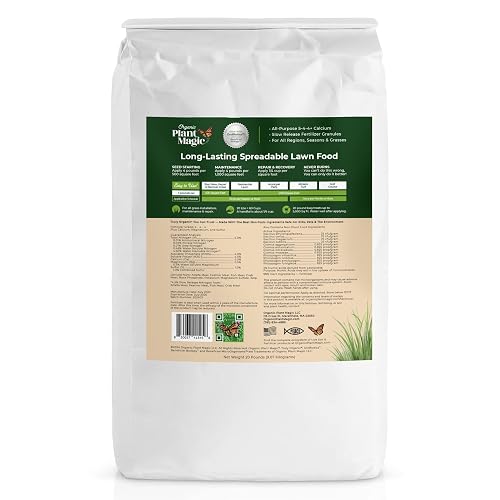 Best for warm-season grassesOrganic Plant Magic – Truly Organic™ Slow Release Granular Lawn FertilView on Amazon
Our Top Picks
| Product | Best for | Key feature |
|---|---|---|
| Espoma Turf-Tone All Season Organic Lawn Food | Overall lawn feeding | Slow release, added iron |
| Jonathan Green Organic Lawn Food 10-0-1 | Large lawns | Iron for deep color |
| CountryMax Organic Lawn Fertilizer 10-6-4 | New or thin grass | Supports roots and drought resistance |
| Nature’s Way Soil Hay, Pasture & Lawn Fertilizer | Liquid application | Pet-safe microbial nitrogen |
| Espoma Organic All Season Lawn Food | Pet-friendly lawns | Bio-tone slow-release formula |
| Down to Earth Organic Bio-Turf Lawn Food 8-3-5 | Spreader use | Works with lawn spreaders |
| Organic Plant Magic Slow Release Granular Lawn Fertilizer | Warm-season grasses | Suits Bermuda and St. Augustine |
Espoma Turf-Tone All Season Organic Lawn Food
Espoma Turf-Tone All Season Organic Lawn Food with Iron & Exclusive Bio-Tone Formula – Slow Release Long Lasting Feeding for All Lawns – Granular Lawn Fertilizer for All Seasons – Made in USA, 28 lbs
Best for: Overall lawn feeding
This suits homeowners who want one slow-release product for the whole year, with iron included for color. We also found 5 Best Jobe's Organic Lawn Fertilizer Picks for a Bee-Safe Lawn (2026) useful on this point.
Pros
- Slow-release formula feeds over an extended period
- Includes iron for a greener look
Cons
- Bag weight may be more than small yards need
Jonathan Green Organic Lawn Food 10-0-1
Natural Grass Fertilizer, Contains Iron for Deep-Green Color Jonathan Green Organic Lawn Food – 10-0-1 Grass Fertilizer – 5,000 Sq Ft
Best for: Large lawns
Best for owners covering several thousand square feet who want iron-driven color without synthetic nitrogen.
Pros
- Coverage rating suits big lots
- Iron supports deep green color
Cons
- Low nitrogen number means it is less suited to heavily worn turf
CountryMax Organic Lawn Fertilizer 10-6-4
Improves lawn thickness and color while supporting stronger roots and enhanced resistance to drought and common turf stress CountryMax Organic Lawn Fertilizer 36 lb 10-6-4 Slow Release Formula
Best for: New or thin grass
A fit for lawns that need thickening, with phosphorus and potassium aimed at root development.
Pros
- Balanced 10-6-4 ratio supports roots and density
- Slow-release granules feed over time
Cons
- Heavy 36 lb bag can be hard to carry
Nature’s Way Soil Hay, Pasture & Lawn Fertilizer
Nature’s Way Soil Hay, Pasture & Lawn Fertilizer – 1 & 2.5 Gallon Organic Liquid Soil Conditioner for Grass, Turf & Forage | Pet-Safe | Microbial Nitrogen Blend | 2.5 Gallons
Best for: Liquid application
Suits owners who prefer a liquid soil conditioner they can apply through a sprayer or hose-end applicator.
Pros
- Listed as pet-safe with a microbial nitrogen blend
- Available in two sizes
Cons
- Liquid products need more frequent reapplication than granules
Espoma Organic All Season Lawn Food
Espoma Organic All Season Lawn Food – Organic Lawn Fertilizer with the Exclusive Bio-tone Formula. Slow Release Long Lasting Feeding for all Lawns – Pack of 2
Best for: Pet-friendly lawns
A good match for households with dogs who spend time on the grass, using a slow-release organic blend.
Pros
- Bio-tone formula releases nutrients slowly
- Pack of two offers extended supply
Cons
- Works more gradually than faster-acting products
Down to Earth Organic Bio-Turf Lawn Food 8-3-5
Down to Earth All Natural Fertilizers Organic Bio-Turf Lawn Food for Grass, Landscape and Ornamentals – Works with Lawn Spreaders 8-3-5, 4 lb
Best for: Spreader use
Suits owners with broadcast or drop spreaders who want even coverage across medium lawns.
Pros
- Listed as compatible with lawn spreaders
- Organic 8-3-5 blend with a moderate nitrogen rate
Cons
- Smaller bag size means more frequent purchases on large lawns
Buying Guide
Lawn Size and Coverage
Check the bag or bottle for the square footage it covers before you buy. A bag that covers 5,000 square feet is a good fit for a mid-sized yard, while smaller lawns may only need a few pounds of product each season. Buying too little means extra trips to the store, but buying too much can waste money if the product sits on a shelf for months.
Grass Type and Climate
Different grasses have different nutrient needs, so match the fertilizer to what you have growing. Warm-season grasses such as Bermuda and St. Augustine often do well with a different feeding schedule than cool-season grasses like fescue or Kentucky bluegrass. Many all-season organic blends are designed to work across a range of conditions, which makes them a practical choice if your yard is mixed.
Nutrient Ratio and Slow-Release Formula
The three numbers on the label show the percentages of nitrogen, phosphorus and potassium. Nitrogen drives leafy green growth, while potassium supports root strength and drought tolerance. Slow-release granular formulas feed the soil gradually, which lowers the risk of burning the grass and helps the nutrients last longer between applications.
Bee and Pollinator Safety
If pollinators are a priority, look for products made from natural, plant-based or mineral ingredients and avoid any labeled with synthetic pesticides or insecticides. Pet-safe and microbial-based formulas are often a good sign of a gentler product overall. Always read the full ingredient list and follow the label directions, since application timing and rates matter for protecting beneficial insects.
Application Method and Spreader Compatibility
Granular products are usually applied with a broadcast or drop spreader, while liquid soil conditioners can be used with a hose-end sprayer or watering can. Think about the equipment you already own and how much time you want to spend on each feeding. Even distribution is important, so a spreader that works well with the product’s granule size will give you more consistent results.
FAQ
Is organic lawn fertilizer as effective as synthetic fertilizer?
Organic lawn fertilizers usually release nutrients more slowly than synthetic options, so greening can take a bit longer to appear. Over time, they also help build healthier soil, which supports stronger roots and better long-term lawn performance. Many homeowners find the results steady and natural-looking.
When is the best time to apply organic lawn fertilizer?
Timing depends on your grass type and climate, but many people feed their lawns in early spring and again in fall. Warm-season grasses generally benefit from feeding once they are actively growing in late spring and summer. Always check the label for the recommended schedule for your region.
Are organic lawn fertilizers safe for pets and children?
Many organic products are labeled pet-safe, but you should still keep pets and kids off treated grass until the granules have been watered in and the lawn is dry. Store the bag out of reach and sweep any granules off hard surfaces. Following the label instructions is the best way to keep everyone safe.
Can I apply organic fertilizer over the winter?
Most organic lawn fertilizers are not recommended during the coldest months, when the grass is dormant and not actively taking up nutrients. Applying during dormancy can waste product and may lead to runoff. Wait until the lawn begins to green up again in spring before feeding.
Do I need to water after applying granular fertilizer?
Watering lightly after application helps move the granules into the soil and activates the nutrients. It also reduces the chance of the product sitting on the grass blades. Check the label, since some products have specific watering instructions.
Conclusion
If you want a top-rated all-around option for most yards, a slow-release all-season blend with iron and a bio-based formula is a dependable starting point. Homeowners with very large lawns may prefer a higher-coverage bag, while those with warm-season grass or specific nutrient goals should match the nutrient ratio to their turf type.
For bee-friendly yards, focus on natural ingredients, pet-safe labeling and gentle, slow-release feeding. Choose the product that fits your lawn size, grass type and spreader setup, and you will be well positioned for a healthy, green lawn all season long.
Related reading
- Top 5 Organic Lawn Fertilizers for Sale Worth Considering in 2026
- Top 5 Organic Fertilizers for Lawn Picks Compared for Bee-Safe Yards
- Scotts Organic Lawn Fertilizer Ingredients: What's Inside and Is It Bee-Safe?
- Organic vs Non Organic Lawn Fertilizer: Which Feeds Your Lawn Best?
About Emily Parker
Emily Parker is part of our editorial team and reviews and edits our pollinator-safe lawn care guides, checking product details against manufacturer specifications and owner feedback.



