
 By Emily Parker
Updated November 2026
The best time to plant pollinator garden beds is usually early fall or early spring, when soil is workable and seeds can settle before weather turns hard. Timing matters because many native perennials and wildflowers need cold stratification to germinate, while container plants and transplants do better when temperatures are mild. This list ranks five resources and seed options that help you pick the right window and then get your plants established, based on product listings, publisher reputation and patterns in owner feedback. Selection criteria: clear seasonal timing guidance, regional relevance, practical planting detail and value for a first-time or expanding pollinator bed.
Our top picks at a glance
- 1
 TOP CHOICEBest overallPollinator Victory Garden: Win the War on Pollinator Decline with Ecological GardeningView on Amazon
- 2
 TOP CHOICEBest for native-plant planningCultivating Native Plants for Pollinators: A Comprehensive GuideView on Amazon
- 3
 TOP CHOICEBest for shaded bedsShade Tolerant Mix – 14,000 Wildflower Seeds for Pollinator GardensView on Amazon
- 4
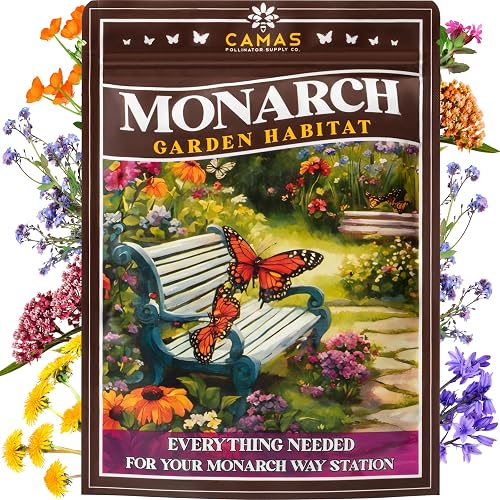 Best for monarch habitatMonarch Butterfly Garden Kit with Milkweed SeedsView on Amazon
- 5
 Best reference posterPollinator Habitat Plant Guide Poster – 13×19 Botanical DecorView on Amazon
Our Top Picks
| Product | Best for | Key feature |
|---|---|---|
| Pollinator Victory Garden | Overall planning | Ecological gardening principles |
| Cultivating Native Plants for Pollinators | Native-plant planning | Regional sustainable practices |
| Shade Tolerant Mix Wildflower Seeds | Shaded beds | Bulk seed for shade |
| Monarch Butterfly Garden Kit | Monarch habitat | Milkweed plus perennials |
| Pollinator Habitat Plant Guide Poster | Quick reference | Bloom time chart |
Pollinator Victory Garden: Win the War on Pollinator Decline with Ecological Gardening
The Pollinator Victory Garden: Win the War on Pollinator Decline with Ecological Gardening; Attract and Support Bees, Beetles, Butterflies, Bats, and Other Pollinators
Best for: Overall planning and understanding when to sow across a full season.
This book suits gardeners who want the reasoning behind planting dates, not just a list of flowers. Owners often report that its ecological framing helps them plan successive bloom from spring through fall.
Pros
- Explains how timing supports bees, beetles and butterflies across seasons
- Covers a wide range of pollinator groups, not only honeybees
Cons
- Broad scope means less depth on any single region
Cultivating Native Plants for Pollinators: A Comprehensive Guide
Cultivating Native Plants for Pollinators: A Comprehensive Guide to Attracting Birds, Bees and Butterflies (Creative Homeowner) Native Gardening for Every U.S. Region Using Sustainable Practices
Best for: Native-plant planning tied to your U.S. region.
Best suited to homeowners who want region-specific planting windows for native species, which often differ from nursery-bought annuals.
Pros
- Organized by U.S. region, which helps match timing to your climate
- Emphasizes sustainable practices that avoid chemical inputs
Cons
- Read-through takes time if you only need a quick schedule
Shade Tolerant Mix – 14,000 Wildflower Seeds for Pollinator Gardens
Shade Tolerant Mix – 14,000 Wildflower Seeds for Pollinator Gardens – 2026 Season – 1 Ounce Pouch
Best for: Shaded beds where sun-loving mixes fail.
Designed for yards under trees or along north-facing fences, where many standard wildflower blends struggle to germinate.
Pros
- Large seed count covers a sizable area
- Formulated specifically for partial shade
Cons
- Shade-tolerant species bloom later and less densely than sun mixes
Monarch Butterfly Garden Kit with Milkweed Seeds
Monarch Butterfly Garden Kit with Milkweed Seeds–Perennial Flower Seeds to Plant Outside| 1/4 Pound Pure Bulk Wildflower Seeds | Garden Seeds for Attracting Pollinators | Seed Packets for Spring/Fall
Best for: Monarch habitat built around milkweed.
Aimed at gardeners who want to support monarch larvae and nectar feeders, with packets labeled for spring or fall sowing.
Pros
- Includes milkweed, the host plant monarch caterpillars require
- Labeled for both spring and fall seed packets
Cons
- Milkweed needs a dedicated sunny spot and may be restricted in some areas
Pollinator Habitat Plant Guide Poster – 13×19 Botanical Decor
Pollinator habitat guide with nectar plants, host plants, bloom times, and pollinator support for gardens Pollinator Habitat Plant Guide Poster – 13×19 Botanical Decor
Best for: A quick visual reference for bloom times and plant roles.
Useful for keeping on a potting shed wall or garage bench while you plan planting dates across the year.
Pros
- Shows nectar and host plants side by side
- Compact bloom time reference
Cons
- A poster cannot replace regional planting detail
Buying Guide
Match planting to your first frost date
Fall sowing works best in most U.S. regions when seeds can go into soil roughly six to eight weeks before the first hard freeze, letting them stratify naturally. Spring sowing suits regions with mild winters once soil reaches the 50s Fahrenheit.
Check whether seeds need cold stratification
Many native perennials need a cold, moist period before they sprout. Sowing these in fall or cold-stratifying them in the refrigerator for several weeks improves germination.
Consider sun and shade exposure
Sun-loving mixes perform poorly in shade, and shade mixes bloom more slowly in full sun. Note how many hours of direct light your planting bed receives before choosing seeds.
Plan for continuous bloom
Pollinators need food from early spring through late fall. Choose species with staggered bloom times so the bed never goes empty.
Good picks for this: Pollinator Victory Garden and Cultivating Native Plants for Pollinators
Related reading
- 7 Best Plants for Pollinator Garden Picks for Bee-Friendly Yards (2026)
- 7 Best Perennial Plants for Pollinator Garden (2026): Our Picks
- 6 Best Pollinator Friendly Garden Plants for Bee-Friendly Yards (2026)
- 5 Best Pollinator Plants for Vegetable Garden: Top Picks for 2026
About Emily Parker
Emily Parker is part of our editorial team and reviews and edits our pollinator-safe lawn care guides, checking product details against manufacturer specifications and owner feedback.


