


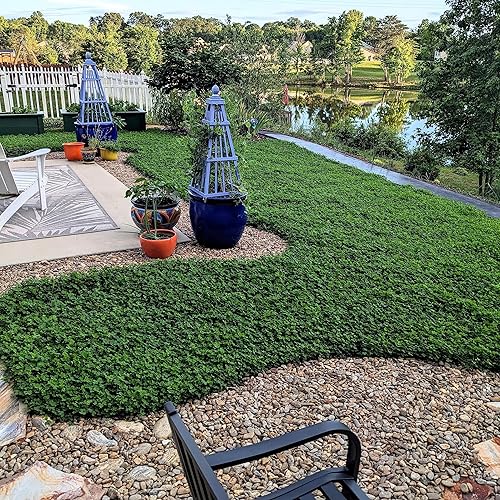



Welcome to the Bee-Friendly Lawns section on Lawn Habitats. Here, we explore the different ways you can transform your yard into a vibrant, living space that supports bees, butterflies, and other vital pollinators. Moving beyond a traditional grass-only lawn opens up a world of possibilities that are beautiful, resilient, and full of life.
This section is for homeowners and gardeners ready to reimagine their outdoor space. Whether you want to integrate low-growing clover, add a sweep of flowering plants, establish a native border, or dedicate a corner to a wildflower patch, we provide the practical guidance to get started. Creating these habitats is a rewarding step toward a healthier ecosystem right outside your door.
What you'll find here
- Clover Lawns: The benefits of mixing clover with grass for a greener, drought-tolerant lawn that feeds bees.
- Flowering Lawns: How to incorporate low-growing flowers like thyme and chamomile into your turf for constant color and nectar.
- Native Plant Borders: Using regional plants along edges to create a beautiful, low-maintenance buffer that shelters wildlife.
- Pollinator Patches: Steps to establish a dedicated area of native wildflowers and grasses, a powerhouse for local pollinators.
- Ongoing Care: Tips for pollinator habitat maintenance to ensure your thriving garden supports bees for years to come.