
Menu

We research products independently. Some links on My Bee Safe Lawn are affiliate links. If you buy through them, we may earn a commission at no extra cost to you. As an Amazon Associate I earn from qualifying purchases. Learn more ›

Lawn Care Practices

Lawn care practices that support pollinators: mowing height and frequency, efficient watering and irrigation, and soil health from testing and compost to aeration.

63 articles
Best Soil Test Kits

Best Soil Test Kits

Choosing the best soil test kit is the first step toward a healthier lawn that supports pollinators. We compared manufacturer specs for accuracy, ease of use, and test capacity to help you find the right fit.

My Bee Safe Lawn Editors Oct 25, 2026
Best Soaker Hoses

Best Soaker Hoses

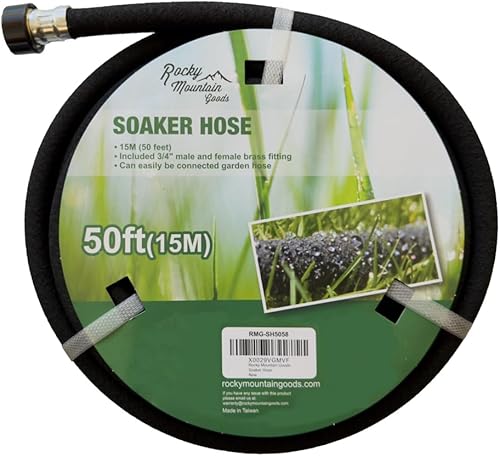
We compared specs and features to find soaker hoses that deliver water efficiently to plant roots, helping you conserve water and support a thriving, pollinator-friendly garden.

My Bee Safe Lawn Editors Oct 25, 2026
Best Cordless Electric Lawn Mowers

Best Cordless Electric Lawn Mowers

Choosing the best cordless lawn mower means balancing power, runtime, and features for a healthy, pollinator-friendly yard. We compared specs to find top options.

My Bee Safe Lawn Editors Oct 25, 2026
Best Reel Mowers

Best Reel Mowers

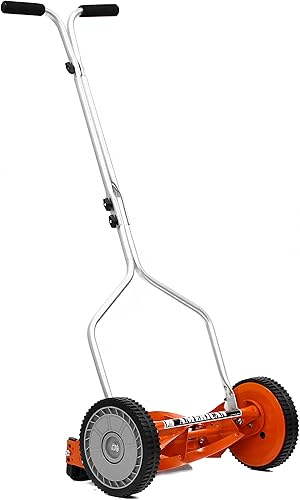
A reel mower provides a clean, scissor-like cut that's healthier for grass and perfect for a quiet, chemical-free lawn that supports bees and other pollinators.

My Bee Safe Lawn Editors Oct 25, 2026
Garden Watering Efficiency

Garden Watering Efficiency

Adopting efficient watering practices conserves water, builds healthier plants with deep roots, and creates a more reliable habitat for bees and other pollinators in your garden.

My Bee Safe Lawn Editors Oct 24, 2026

Creating a beautiful lawn that also serves as a sanctuary for bees, butterflies, and other vital pollinators starts with how you care for it. The routine practices of mowing, watering, and tending to your soil have a profound impact on the health of your grass and the tiny ecosystems it supports. By making a few thoughtful adjustments, you can cultivate a resilient, green space that needs fewer inputs and provides more for nature.

This section is for every homeowner and gardener who wants to move beyond a conventional, chemically-dependent lawn. We break down the core practices of mowing, watering, and soil health into practical, pollinator-friendly steps. You'll learn not just the 'how,' but the 'why,' empowering you to make choices that benefit your yard's long-term vitality and its winged visitors.

What you'll find here

  • Guidance on mowing height and frequency to protect flowering plants and insect habitat.
  • Strategies for efficient watering that conserve resources and support deep root growth.
  • The fundamentals of building healthy soil through testing, organic amendments, and aeration.
  • How these interconnected practices reduce the need for pesticides and fertilizers.
  • A holistic approach to lawn care that prioritizes ecosystem health alongside aesthetics.