Quick answer
Low-growing flowering plants for lawns, like clover, creeping thyme, and violets, can be added to existing grass or used to create a full flowering lawn. They provide essential food for pollinators, reduce mowing needs, and create a more resilient and beautiful yard with fewer inputs.
For many of us, the dream of a lush, green lawn is giving way to a more vibrant and sustainable vision: a blooming lawn. Integrating low-growing flowering plants for lawns is a powerful way to support bees, butterflies, and other vital pollinators right in your own yard. These tough, beautiful plants can be mixed into existing turfgrass or grown as a full replacement, creating a living carpet that requires less water, less frequent mowing, and far fewer chemical interventions than a traditional monoculture lawn. This approach, often called a “bee lawn” or flowering lawn, moves us away from a sterile green carpet and toward a dynamic, ecologically rich landscape.
Why Choose Low-Growing Flowering Plants for Your Lawn?
Traditional turfgrass offers a uniform look but provides little ecological value. By introducing low-growing flowering plants, you transform your lawn into a habitat. These plants offer nectar and pollen throughout the growing season, which is crucial for the survival of native bees and other pollinators. They also tend to have deeper root systems than many grasses, helping with drought resistance and soil health. From a practical standpoint, a diverse lawn is more resistant to pests, diseases, and weeds, reducing the perceived need for pesticides and herbicides. It’s a shift from fighting nature to working with it, resulting in a space that’s alive with color and activity. For a broader look at this concept, explore our guide to pollinator-friendly plants.
Excellent Low-Growing Flowering Plants for Lawns
When selecting plants, consider your climate, soil, sunlight, and how much foot traffic the area gets. The goal is to find species that are durable, low-maintenance, and beneficial to insects. Always check the USDA Plant Hardiness Zone Map to see if a plant is suited to your region.
White Clover (Trifolium repens)
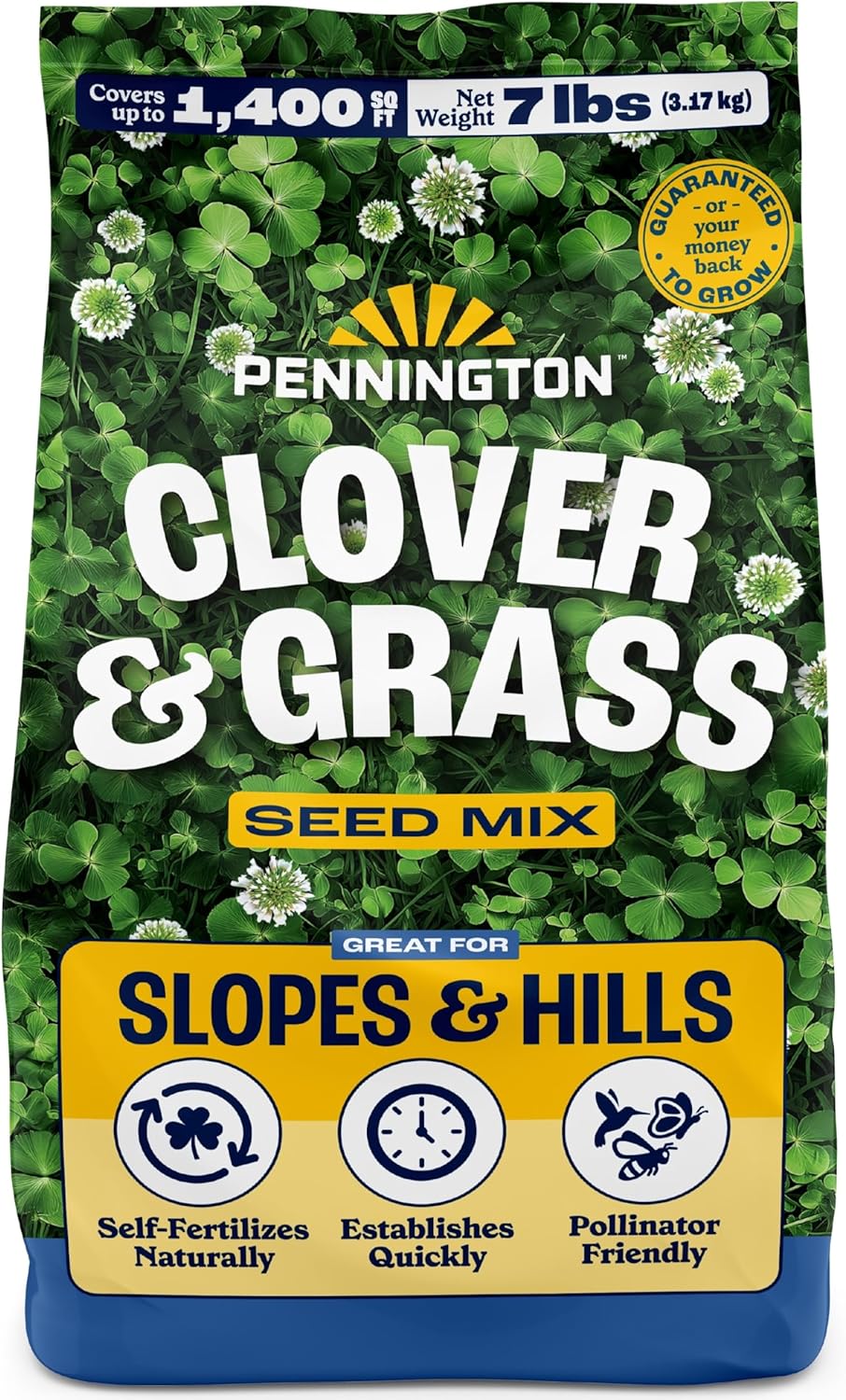
Perhaps the most famous lawn alternative, white clover is a superstar for bee lawns. It stays green in drought, fixes nitrogen in the soil (which can benefit nearby grass), and tolerates moderate foot traffic. Its white, nectar-rich flowers are a favorite of honey bees and bumble bees. It’s often simply overseeded into an existing lawn. Learn more about the benefits in our article Clover Lawns Explained.
Creeping Thyme (Thymus serpyllum and others)
This aromatic herb forms a dense, spreading mat that can handle being stepped on, releasing a lovely scent. It blooms in shades of pink, purple, or white and is extremely attractive to a wide variety of small bees and other pollinators. It thrives in full sun and well-drained soil and is excellent for sunny pathways or lawn sections.
Self-Heal (Prunella vulgaris)
A North American native, self-heal is a resilient perennial with charming purple flower spikes. It tolerates mowing, spreads readily, and grows in sun to part shade. It’s a valuable late-spring to summer nectar source for bees and is often found naturally in healthy meadows and fields.
Violets (Viola species)
Common blue violets and other native Viola species are early-blooming powerhouses for pollinators. Their flowers provide nectar, and their leaves are the sole food source for fritillary butterfly caterpillars. They thrive in partial shade and can naturalize beautifully in lawns under trees or along borders.
Creeping Charlie (Ground Ivy) – A Note of Caution
While Glechoma hederacea produces small purple flowers that bees visit, it is a highly aggressive non-native plant that can quickly dominate a lawn and garden beds. Many consider it a problematic weed. We generally recommend choosing non-invasive natives or well-behaved non-natives instead.
For more options and detailed comparisons, our resource on bee-friendly ground cover options is a great next step.
How to Establish a Flowering Lawn
You don’t have to start from scratch. There are two main approaches:
- Overseeding into Existing Turf: This is the simplest method. Mow your existing grass very short and rake vigorously to expose soil. Sow your chosen low-growing flowering plant seeds (often mixed with grass seed) according to the rate on the seed package. Keep the area moist until the new seedlings are established. This works very well for clover and self-heal.
- Starting a New Planting Area: For a larger section or full lawn conversion, you’ll need to remove existing grass and weeds. This can be done through solarization, sheet mulching, or manual removal. Prepare a clean seedbed or area for plugs, then plant according to the specific needs of your chosen species.
What to look for
- Sunlight Match: Choose plants suited to the sun exposure (full sun, part shade, full shade) of your lawn area.
- Traffic Tolerance: If you walk or play on the area, select durable plants like clover or creeping thyme.
- Native Species: Prioritize plants native to your region when possible, as they support local ecosystems best.
- Bloom Time: Select a mix of plants that flower at different times to provide season-long food for pollinators.
- Seed or Plant Source: Look for reputable suppliers that specify the plant species and, ideally, the ecotype or region of origin.
Maintenance and Care for a Blooming Lawn
A flowering lawn is lower maintenance, but not no-maintenance. The biggest shift is in mowing: you’ll mow less frequently, and you should set your mower blade high (3-4 inches) to protect the flowers and their pollinators. It’s best to mow after the primary bloom period to allow plants to set seed for the next year. Water deeply but infrequently to encourage deep roots. The diversity of plants will naturally suppress many weeds, and the improved soil health reduces the need for fertilizer. For specific advice on clover, see our article on choosing the right clover variety.
Safety
If you ever feel the need to address a pest problem in a flowering lawn, extreme caution is required to protect pollinators. Never apply any pesticide, including herbicides and insecticides, to plants that are in bloom. Always read and follow the entire pesticide product label, which is the law. The label provides critical instructions to minimize risks to pollinators, including application timing and restrictions. For long-term pest management, adopt Integrated Pest Management (IPM) principles, which focus on prevention and non-chemical controls first.
Frequently Asked Questions
Will a flowering lawn look messy?
It looks different from a golf-course lawn, but many find the texture and colors of a flowering lawn more beautiful and natural. With the right plant selection and occasional mowing, it can look intentionally lush and cared-for, not weedy.
Can I still walk and play on a lawn with these plants?
Absolutely. Many of the recommended low-growing flowering plants for lawns, such as white clover and creeping thyme, are quite tolerant of foot traffic. They may even feel softer underfoot than grass alone.
Do I have to remove all my grass?
No. In fact, a mix of fine fescue or other low-growing grasses with flowering plants creates an ideal “bee lawn” matrix. The grass provides the walking surface, while the flowers provide the ecological benefit. Overseeding flowers into thin or struggling grass is a perfect start.
What if my homeowners association (HOA) has rules against non-grass lawns?
This is a common challenge. You can often make a case by focusing on the practicality and tidiness of low-growing plants like clover, which was actually part of standard lawn seed mixes decades ago. Sharing information on water conservation and environmental benefits can also help. Starting with a small, well-maintained test area in the backyard can demonstrate the concept.
Where can I learn more about protecting pollinators?
Excellent resources include the Xerces Society for Invertebrate Conservation, the Pollinator Partnership, and the U.S. Environmental Protection Agency’s pollinator protection page.
References
- Xerces Society for Invertebrate Conservation: Guidelines on pollinator habitat and plant selection. https://www.xerces.org/pollinator-conservation
- USDA Agricultural Research Service: USDA Plant Hardiness Zone Map. https://planthardiness.ars.usda.gov/
- U.S. Environmental Protection Agency: Pollinator Protection and Integrated Pest Management principles. https://www.epa.gov/pollinator-protection, https://www.epa.gov/safepestcontrol/integrated-pest-management-ipm-principles
- Pollinator Partnership: Resources on pollinator-friendly practices. https://www.pollinator.org/
- U.S. Fish and Wildlife Service: Pollinator conservation initiatives. https://www.fws.gov/initiative/pollinators
- Manufacturer manuals and specification sheets: For seed planting rates and specific plant care instructions.