 By Claire Whitaker
Updated November 2026
A natural weed killer that won’t hurt plants is possible, but only if you match the method to the weed, the surface and the plants nearby. In this guide you’ll learn how the common non-synthetic options work, how to mix and apply them without drifting onto your flowers or turf, and how to follow up so weeds don’t come back. The goal is a bee-friendly yard where weeds are controlled and the plants you want stay healthy.
Why “Natural” Doesn’t Automatically Mean Plant-Safe
Many people assume anything labeled natural is gentle on everything. That isn’t true. Household vinegar, salt and citrus-based sprays are non-selective, meaning they damage any green tissue they touch. A splash on a tomato leaf can scorch it just as readily as it burns a dandelion. The real difference between natural and synthetic options is how they break down and what they leave behind, not whether they discriminate between plants.
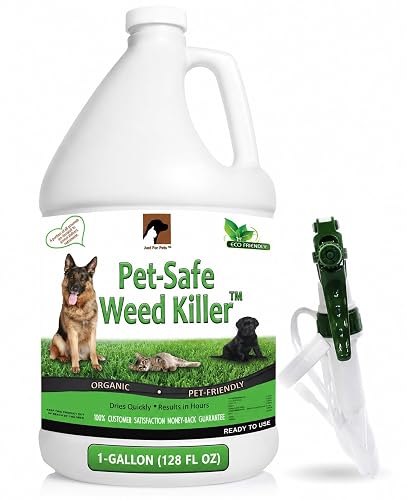
Shopping for one? See our guide: Natural Weed Killer That Won't Kill Grass: 5 Best Picks Compared (2026).
So a “plant-safe” natural weed killer really means one that is used selectively: applied to the weed alone, in calm weather, with barriers or shields protecting desirable plants. Keep that idea in mind through every step below.
Know What You’re Dealing With First
Before choosing a product, identify the weed. Treatment success depends heavily on the plant’s growth stage and root structure.
- Annual broadleaf weeds (chickweed, purslane, lambsquarters): usually die easily from contact sprays while small. Seedlings under two inches respond best.
- Perennial broadleaf weeds (dandelion, plantain, clover-look-alikes like oxalis): have deep taproots or stored energy and often resprout after top growth is removed.
- Grassy weeds (crabgrass, quackgrass): are hard to spot-treat in turf and are often better handled by mowing height, overseeding and mulch in beds.
- Woody sprouts and vines (poison ivy, bindweed): need repeated treatment and sometimes manual removal of roots.
Pull a few plants and check the roots. If the root snaps off short, the plant is likely shallow and easier to kill. If it’s a long, thick taproot, plan for more than one application.
Choose the Right Natural Active Ingredient
Several non-synthetic ingredients are commonly used. Each has strengths and limits.
| Ingredient | How it works | Best use | Main caution |
|---|---|---|---|
| Horticultural vinegar (20% acetic acid) | Burns leaf surfaces on contact | Young annual weeds on paths and gravel | Non-selective; can acidify soil if repeated heavily |
| Clove oil or citrus oil (D-limonene) blends | Disrupts cell membranes on contact | Small weeds in cracks and beds | Can irritate skin and eyes; stings pollinators if sprayed on blooms |
| Iron-based or ferric products | Herbicidal action on broadleaf weeds with some selectivity in turf | Dandelion and plantain in lawns | Follow label rates; can stain concrete |
| Corn gluten meal | Inhibits root development in germinating seeds | Prevention in lawns, not established weeds | Has no effect on existing weeds |
| Boiling water | Heat kills plant tissue | Cracks, paths, pavers | Kills anything it touches, including soil life nearby |
Avoid homemade salt solutions in or near garden soil. Salt accumulates and can sterilize the ground for years. Limit salt use to hardscape only, and only where you never want anything to grow.
Step-by-Step: Treating Weeds Without Harming Plants
Step 1: Gather your supplies
- A spray bottle or pump sprayer with a fan or narrow-jet nozzle
- Stiff cardboard or a plastic plant shield to block spray
- Gloves and eye protection
- A hand weeder or stiff brush for pulling larger plants first
- A notebook or phone reminder to log treatment dates
Step 2: Pick the right weather
Spray on a dry, calm day with temperatures between about 60°F and 85°F. Wind carries droplets onto nearby flowers. Rain within a few hours washes product away, so check the forecast. Avoid the hottest part of midday, when vinegar and oils can evaporate quickly and scorch leaves unevenly.
Step 3: Remove large weeds mechanically
Pull or dig out established perennials first. Use a weeder to get as much root as possible. Natural sprays work best on the regrowth and seedlings, not on tall, woody stems.
Step 4: Shield your desirable plants
Cover nearby flowers, herbs and vegetables with cardboard or a plastic cup. Work in small areas so shields stay in place. For bloom-heavy plants, cover the flowers themselves, since pollinators are most exposed to contact sprays on open blooms.
Step 5: Spray only the leaves of the target weed
Aim low and use a short, controlled spray. Coat the leaves until they glisten but do not run off. Stop before runoff reaches soil or roots of nearby plants. Spot-treat instead of blanket-spraying a whole bed.
Step 6: Monitor and reapply
Natural products usually show damage within hours to a day. Look for browning and wilting. Perennial weeds often need a second or third application spaced several days to a week apart. Log each date so you don’t over-apply.
Lawn-Specific Approach
In turf, the safest long-term strategy combines spot treatment with healthy grass. Mow at the upper range recommended for your grass species, since taller turf shades out seedlings. Overseed thin patches in the cooler months so the lawn fills in. Clover, if you grow it, is a useful companion plant that crowds out some weeds and supports pollinators, though it can also be affected by broadleaf sprays. When in doubt, spot-treat only the individual weeds and avoid broadcasting. For a bee-friendly lawn approach, see Natural Weed Killer Safe for Grass: A Step-by-Step Guide (2026) and Natural Weed Killer Without Killing Grass: A Step-by-Step Guide (2026).
Bed and Border Approach
Garden beds are where accidental damage happens most. Mulch is your best prevention tool. Apply two to three inches of shredded bark or leaf mulch, keeping it a few inches away from plant stems. Then spot-treat any weeds that break through. For planting-bed guidance, check Natural Weed Killer for Garden Beds: A Step-by-Step Guide (2026) and Natural Weed Killer for Flower Bed: A Practical Guide (2026).
Paths, Patios and Cracks
Hardscape is where natural products shine, because there’s no root zone to protect. Pour boiling water or apply a horticultural vinegar mix directly into cracks. Repeat after a few days for stubborn growth. If you use a stronger product, be sure to keep it off adjoining soil. Our guide on Natural Weed Killer for Between Patio Stones: A Step-by-Step Guide (2026) covers this in more detail.
Recommended gear
A few simple tools make selective treatment far easier. Choose items based on the size of your yard and how often you’ll use them.
- Adjustable pump sprayer: A pump model with a narrow-jet nozzle gives you controlled, low-volume coverage that reduces drift. Search for: View on Amazon
- Stiff hand weeder: A forked or claw-style weeder lets you pull roots cleanly before any spray is needed. Search for: View on Amazon
- Heavy-duty gardening gloves: Nitrile-coated gloves protect your hands from concentrated acid or oil blends. Search for: View on Amazon
- Shredded bark mulch: A layer of mulch in beds suppresses seedlings, so you spray less. Search for: View on Amazon
Common Mistakes
- Spraying in wind or heat. Drift and rapid evaporation cause most accidental plant damage.
- Treating full beds instead of individual weeds. Blanket spraying is the fastest way to lose desirable plants.
- Skipping the root pull. Large perennials will resprout if you only burn the leaves.
- Overusing vinegar in soil. Repeated acid applications can change soil pH and harm soil organisms.
- Spraying open flowers. Keep product off blooms to protect bees and other pollinators.
- Expecting one-time results. Natural methods usually need repeat treatment, especially on perennials.
Tips for Long-Term Success
- Walk your beds weekly during the growing season. Catching seedlings early makes every method work better.
- Use a dedicated sprayer for weed products and label it clearly so it never ends up used on plants.
- Plant dense groundcovers or closely spaced perennials to shade out weed seeds.
- Keep a simple treatment log with dates, weather and results. Patterns will show you what works in your yard.
- If you have pets, children or a bee-heavy garden, read product labels carefully and follow re-entry guidance before letting anyone back into treated areas. For pet-specific guidance, see Natural Weed Killer for Dogs: A Step-by-Step Pet-Safe Guide (2026).
FAQ
Will natural weed killer harm my vegetable garden?
It can, if it contacts edible leaves or soil around roots. Use shields, apply only to weeds, and keep sprays out of vegetable beds. Mulch and hand weeding are safer choices near food crops.
Does vinegar kill weed roots?
Standard household vinegar mainly damages the leaves. Stronger horticultural vinegar can damage some root tissue on young plants, but established perennials with deep roots usually need repeated treatments or manual removal.
How long before I can plant in a treated area?
Most natural products break down quickly, but manufacturers’ labels give specific wait times. As a general rule, wait several days after the last spray and check that the soil is not visibly affected before sowing or transplanting.
Is corn gluten meal a weed killer?
It is better described as a pre-emergent. It can prevent some seeds from sprouting but does not kill weeds that have already emerged. It works best in lawns applied in early spring.
Will natural weed killer harm bees?
Contact sprays can harm bees if they land on the spray or on wet blooms. Avoid spraying flowers, treat in the early morning or evening when bees are less active, and let the spray dry before pollinators return.
How often should I reapply?
Annual weeds often need one application. Perennials commonly need repeated treatments every few days to a week until the root reserves are depleted. Check results after each application before reapplying.
Is a natural weed killer safe for children and pets?
Natural does not always mean harmless. Keep children and pets off treated areas until the product has dried and the label’s guidance is met. If someone has a skin or eye reaction, seek medical advice promptly.
Conclusion
A natural weed killer that won’t hurt plants depends on careful selection, precise application and good timing. Identify the weed, choose the right active ingredient, shield your desirable plants and spray only the target leaves. Pair treatment with mulch, healthy turf and regular walks through your beds, and your weed pressure will drop season after season while your pollinator-friendly plantings stay strong.
Ready to choose one?
About Claire Whitaker
Claire Whitaker is part of our editorial team and reviews and edits our pollinator-safe lawn care guides, checking product details against manufacturer specifications and owner feedback.