 By Emily Parker
Updated November 2026
The right tool to remove clover from lawn is usually a hand weeder with a forked or claw tip, used to pull clover roots out whole. For larger patches, a stiff-tined dethatching rake or a small cultivator can loosen and lift clover before you reseed bare spots. This guide covers which tools suit which situations, how to use them without damaging surrounding turf, and how to keep clover from coming back once it is gone.
Start by Deciding How Much Clover You Want to Remove
Before you buy or reach for anything, look at your lawn honestly. Clover is not a disease. White clover fixes nitrogen, stays green in drought, and flowers heavily, which feeds bees. Many homeowners want a few scattered clover plants and only need to clear clover from a dense patch that crowds out grass. Others want a near-pure grass lawn. Your goal determines the tool.
Shopping for one? See our guide: How to Remove White Clover from Lawn: 7 Best Clover Killers for 2026.
- Scattered plants (under 10 percent cover): Hand removal is enough.
- Moderate patches (10 to 40 percent cover): Use a hand weeder or a root-cutting tool, then overseed.
- Heavy infestation (over 40 percent cover): A dethatcher or power rake plus reseeding is more practical.
If clover is spreading because the grass is thin or the soil is compacted or low in nitrogen, removing it will only buy you time. Check the causes in Why Won't Scotts Pursue Clover Lawn Grow? Causes and Fixes and Why Is Red Clover in Lawn Growing? Causes and Fixes so you can address the underlying problem.
The Main Tools for Removing Clover
Each tool does a different job. Matching the tool to the size of the patch and the soil conditions saves time and keeps your turf healthy.
Hand Weeders and Root Forks
A forked or claw-tipped hand weeder is the most precise option. Clover spreads through stolons, which are horizontal runners that root at nodes, so pulling only the leaves leaves the roots behind. A tool with a narrow, sharp tip lets you get under the crown and lift the whole plant. This works best when the soil is moist, usually the day after a deep watering or rain.
Dandelion Pullers and Long-Handled Weeders
A dandelion puller, with its forked tip and leverage bar, can also extract clover without bending. It is useful if you have knee or back issues, though it can leave slightly larger holes. Long-handled versions reduce strain for larger yards.
Stiff-Tined Dethatching Rakes
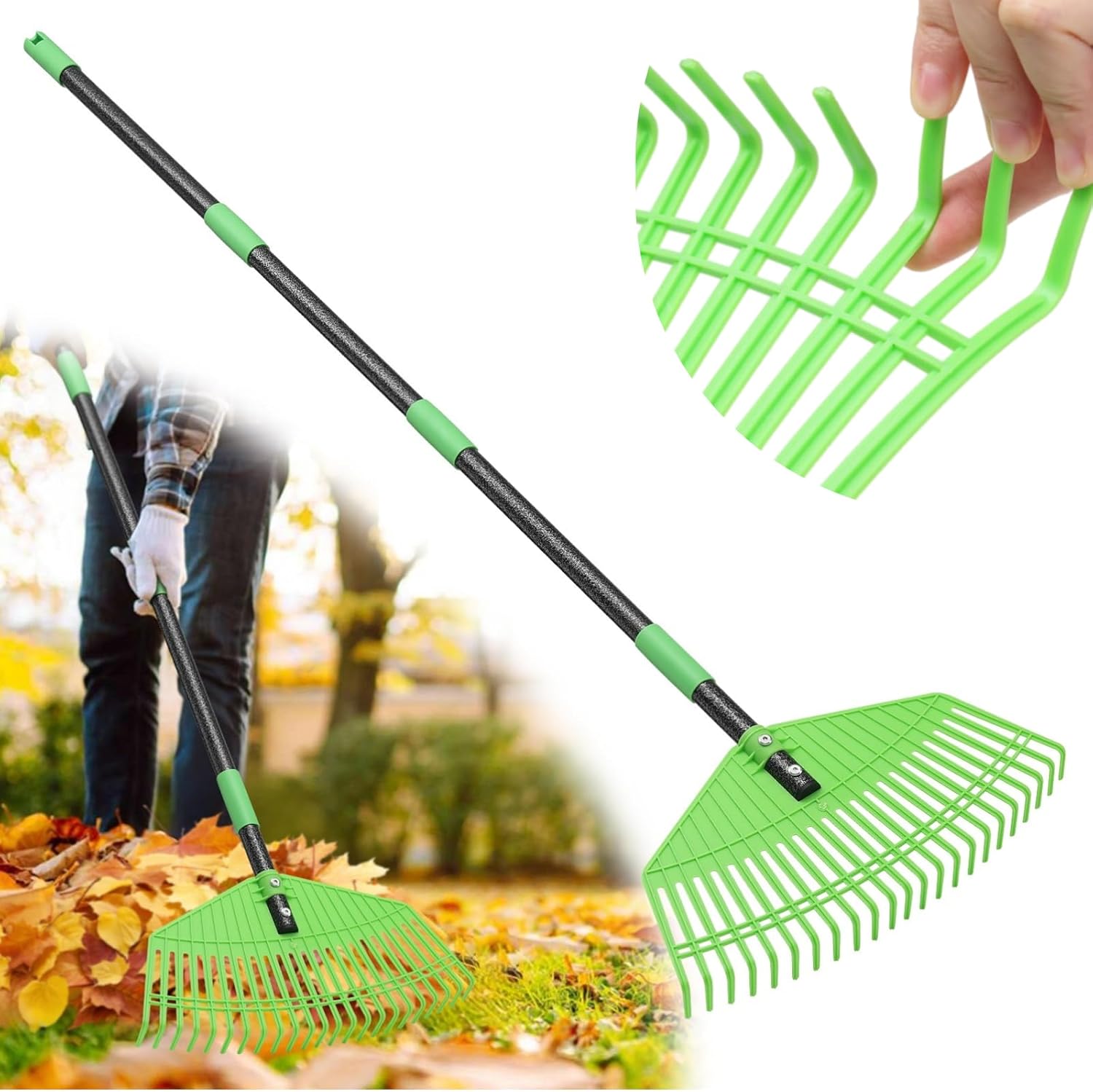
For moderate to heavy coverage, a spring-tined or stiff-tined dethatching rake can rip up runners and loosen the top inch of soil. Work in one direction, then cross-rake perpendicular to the first pass. Expect some grass damage, which is acceptable if you plan to overseed.
Power Dethatchers and Vertical Mowers
Power dethatchers, sometimes sold as vertical mowers, are the fastest option for large lawns. Set the blades to cut just into the soil surface. Avoid setting them too deep, since that can scalp healthy turf. Rent one if you do not own one and only need it once a year.
Cultivators and Aerators
A hand cultivator or core aerator helps when clover roots are established in compacted soil. Aeration pulls plugs of soil, which breaks up root systems and improves water and air movement. Clover tends to thrive in compaction, so aeration can shift the balance back toward grass.
Step-by-Step: Removing Clover with a Hand Tool
This method suits most homeowners and avoids chemicals, which matters if you want to protect pollinators. The steps below assume a patch of white clover under about 30 percent cover.
- Water the area the day before so the soil is moist but not soggy. This helps roots release cleanly.
- Mark the patch with a garden flag or string so you can track progress.
- Insert the weeder tip about 2 to 3 inches from the crown of the plant, angled slightly toward the center.
- Lever gently to lift the root system. Pull steadily instead of yanking, which tends to snap roots and leave fragments.
- Check for runners stretching outward. Follow them and remove the connecting stolons.
- Fill holes with a mix of topsoil and compost, then firm lightly with your foot.
- Overseed bare spots with grass seed matched to your existing turf, using the rate on the seed bag.
Step-by-Step: Removing Clover from a Larger Area
For bigger areas, combine mechanical removal with soil and seed management. The timing matters: early fall and early spring are usually the best windows for cool-season grasses.
- Mow low, around 2 inches, to expose clover stolons.
- Dethatch or rake in two directions to lift runners and loosen the surface.
- Collect and bag the debris. Do not compost clover runners if you want to avoid regrowth, unless your pile gets hot enough to kill them.
- Aerate if the soil feels hard, using a core aerator once the surface is open.
- Amend bare soil with a thin layer of compost, roughly one-quarter inch.
- Overseed with grass seed at the recommended rate, then keep the top layer moist for two to three weeks until germination.
Comparing Tools at a Glance
| Tool | Best For | Effort Level | Turf Disturbance |
|---|---|---|---|
| Forked hand weeder | Scattered plants, beds, edges | Low to medium | Minimal |
| Dandelion puller | Small patches, limited mobility | Low | Small holes |
| Stiff-tined rake | Moderate coverage | Medium | Moderate; overseed afterward |
| Power dethatcher | Large lawns, heavy cover | High | Significant; overseed afterward |
| Core aerator | Compacted soil under clover | Medium | Plugs; topdress and seed |
Preventing Clover from Returning
Removal without follow-up usually fails within a season. Clover seed can persist in the soil for years, and any stolon fragment left behind will regrow. Focus on conditions that favor grass.
- Mow at 3 to 3.5 inches for most cool-season grasses. Taller grass shades clover seedlings.
- Water deeply but less often, roughly 1 inch per week including rain, to encourage deep grass roots.
- Test your soil through a local extension office. Clover often shows up where nitrogen is low or pH is off.
- Feed grass in the right season. A slow-release nitrogen product, applied in early fall, gives grass an advantage.
If you decide to keep some clover because of pollinators, a managed approach works better than full removal. You can read about that in White Clover for Lawn: A Step-by-Step Guide to a Bee-Friendly Yard.
Common Mistakes to Avoid
- Pulling in dry soil. Roots snap and regrow from fragments.
- Setting a dethatcher too deep. This scalps grass and invites weeds.
- Skipping overseeding. Bare soil gets recolonized by clover within weeks.
- Mowing too short during removal. It stresses grass and makes recovery slower.
- Composting runners carelessly. They often survive cool compost piles.
- Working in peak heat. Stressed turf recovers poorly in summer temperatures above roughly 85°F.
Tips for Working Bee-Safe
- Remove clover in the evening or early morning, when bees are less active.
- Do not mow flowering clover in the afternoon, when foraging peaks.
- If you have a patch you want to keep for pollinators, mark it clearly and remove clover only from the rest.
- Read the labels of any fertilizer or amendment you use to confirm it is suitable for pollinator-friendly yards.
Recommended gear
A forked-tip hand weeder is the single most useful tool for clover removal. It lets you lift the crown and roots intact, which reduces regrowth compared with snapping leaves at the surface.
A dandelion puller with a leverage bar helps when you have many plants to remove and want less bending. It works well in moist soil and is a good option for anyone with limited mobility.
A spring-tined dethatching rake suits moderate patches. Its flexible tines lift runners without digging deeply into the root zone, which keeps disturbance manageable before overseeding.
A hand cultivator helps loosen soil around stubborn crowns and mix compost into bare spots before reseeding.
FAQ
What is the best tool to remove clover from lawn?
For most homeowners, a forked-tip hand weeder is the best starting point. It removes clover roots and runners with minimal disturbance to surrounding grass. For larger areas, a spring-tined dethatching rake is more efficient.
Can I remove clover without chemicals?
Yes. Mechanical removal, combined with mowing height changes, overseeding and soil care, works without chemicals. This approach also protects bees and other pollinators.
When is the best time to remove clover?
Early spring and early fall are usually best for cool-season lawns, since grass recovers well in those windows. Pull clover when the soil is moist, not during drought or peak summer heat.
Will clover come back after I remove it?
It can, because seeds remain in the soil and stolon fragments may regrow. Overseeding, correct mowing height and adequate nitrogen make regrowth much less likely.
Should I overseed after removing clover?
Yes, especially if you disturbed more than a few small spots. Bare soil invites clover seedlings and other weeds, so filling it with grass seed is the most reliable way to keep the area covered.
Is clover harmful to my lawn?
Clover is not toxic to most people, but it can crowd out grass in thin or shaded areas. Its nitrogen-fixing ability can actually help nearby grass in some conditions.
Do I need a professional for a large clover problem?
If clover covers most of your lawn, a lawn care professional or your local extension office can help diagnose soil and nutrient issues. Consult a professional before applying any heavy treatment or major soil change.
Conclusion
The right tool to remove clover from lawn depends on how much clover you have and how much disturbance you can accept. Start with a forked hand weeder for scattered plants, and move to a dethatching rake or power dethatcher for larger areas. Whatever you choose, overseed bare spots and address the soil and mowing habits that let clover thrive in the first place.
Related reading
- How to Remove Clover from the Lawn: 6 Steps Without Harming Bees
- Clover Killer for Lawn: How to Remove Clover Safely (Without Harming Bees)
Ready to choose one?
About Emily Parker
Emily Parker is part of our editorial team and reviews and edits our pollinator-safe lawn care guides, checking product details against manufacturer specifications and owner feedback.