 By Emily Parker
Updated November 2026
A pollinator garden is a planting area designed to feed bees, butterflies, moths, beetles, hummingbirds and other pollinators from spring through fall. Instead of a lawn or a bed of ornamentals that offer little to insects, it uses flowering plants that bloom in sequence, provide nectar and pollen, and give shelter. By the end of this guide, you will know what makes a pollinator garden work and how to start one in your own yard without synthetic pesticides.
What Makes a Garden Pollinator-Friendly
The defining feature is food supply across the season. Most pollinators need nectar and pollen from early spring to late fall, and a garden of mixed-age, mixed-shape flowers covers that window. Native plants usually do the best job, because many native bees and butterflies have evolved to feed on specific local species. Single-flower double cultivars, which often have little pollen or nectar, are less useful.
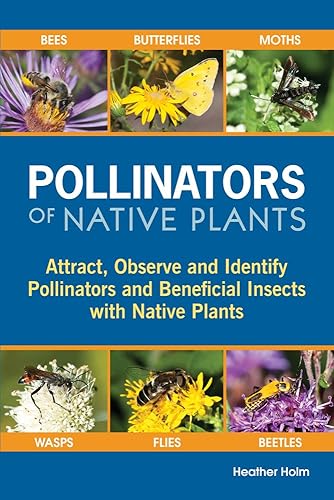
Shopping for one? See our guide: 7 Best Pollinator Garden Seed Mix Options for Bee-Friendly Yards (2026).
Shelter matters too. Many native bees nest in bare soil, hollow stems or leaf litter, and some butterflies need specific host plants for their caterpillars. A pollinator garden leaves a few patches of bare ground, keeps some stems standing through winter, and avoids chemical pesticides that harm insects directly.
How to Plan and Plant Your Garden
Choose a sunny, well-drained site
Most flowering plants need at least six hours of direct sun. Pick a spot that drains within a day after rain. Standing water can rot roots and attract mosquitoes, which pollinator gardens do not need.
Plant in drifts, not single specimens
Group three or more of each species together. Bees find clusters faster and spend more time foraging in them. For a bed of about 100 square feet, plan roughly 8 to 12 different species.
Layer bloom times
Aim for something in flower in every month the weather allows. Early bloomers include crocus and native willow. Summer brings coneflower, bee balm and milkweed for monarchs. Asters and goldenrod carry the season into fall. Our Seasonal Pollinator Garden Checklist lays out planting windows by month.
Step-by-Step Setup Checklist
- Pick a sunny, well-drained site of at least 50 square feet.
- Remove turf with a sod cutter or by solarizing under black plastic for four to six weeks.
- Test soil drainage by digging a hole, filling it with water, and checking whether it empties within a day.
- Choose 8 to 12 native species that bloom in different months.
- Plant in clusters of three or more, spaced to their mature width.
- Mulch bare soil lightly, leaving a few small patches of open ground for ground-nesting bees.
- Water deeply during the first season, then cut back to rainfall only once roots establish.
If you want ideas for small spaces, Small Pollinator Garden Ideas: 7 Bee-Friendly Designs for Tight Spaces covers compact layouts. For a full project outline, see Pollinator Garden Layout Ideas for a Bee-Friendly Yard (Step-by-Step).
Common Mistakes to Avoid
- Planting only one bloom season, which leaves pollinators without food for weeks.
- Using systemic insecticides or neonicotinoid-treated plants, which can harm bees even when flowers look healthy.
- Cutting down every stem in fall, which removes winter shelter for overwintering insects.
- Buying mixes labeled “pollinator” that contain non-native or double-flowered cultivars with little nectar.
- Overwatering, which weakens drought-adapted native species.
Recommended gear
A few basic tools make planting and maintenance easier. A sturdy hand trowel helps with small plantings and seed sowing. A long-handled spade is useful for breaking up turf and turning soil. A soaker hose lets you water roots without wetting foliage, which reduces disease. Look for these by searching View on Amazon, View on Amazon and View on Amazon.
FAQ
How big does a pollinator garden need to be?
Even a 4-by-8-foot bed can support many bees and butterflies if it blooms across the season. Larger plantings support more species, but size matters less than continuous bloom and the absence of pesticides.
Do I need native plants for a pollinator garden?
Native plants generally provide the best food and shelter because local insects evolved with them. Non-native plants that are not invasive can still help, especially for late-season nectar. Check with your regional extension office for a list of native species suited to your area.
When is the best time to start a pollinator garden?
Early fall or early spring are good windows for planting, since soil is moist and temperatures are mild. Consult a local nursery or extension service for timing specific to your climate.
Conclusion
A pollinator garden is a sequence of native flowers, shelter and water-friendly planting that feeds insects across the whole season. Start with a sunny spot, plant in clusters, and make sure something is always in bloom. Skip synthetic pesticides and you will see bees and butterflies arrive within the first season.
Related reading
- What to Put in a Pollinator Garden: A Step-by-Step Guide for Bee-Friendly Yards
- Types of Sprinklers for Watering a Pollinator Garden
- Top 6 Pollinator Garden Sign Metal Picks for Bee-Friendly Yards
Ready to choose one?
About Emily Parker
Emily Parker is part of our editorial team and reviews and edits our pollinator-safe lawn care guides, checking product details against manufacturer specifications and owner feedback.