By Claire Whitaker
A natural weed killer mixture can knock back dandelions, plantain, and crabgrass in your lawn and beds without synthetic herbicides. In this guide you will learn which household and garden ingredients actually work, how to measure a safe batch, when to apply it so it hits hard, and how to avoid the mistakes that waste a good mix or harm desirable plants. The method is simple, but results depend on weed size, weather, and how carefully you spray.
How a Natural Weed Killer Mixture Actually Works
Most natural weed killers rely on acetic acid, the active ingredient in vinegar, or on salt, which dehydrates plant tissue. Acetic acid burns the leaves and stems on contact but usually does not travel down to the root. That is why it works best on young annuals and seedlings, and why perennial weeds with deep taproots often regrow. Salt is far more persistent and can stay in soil for a long time, so it deserves caution. A dish soap or other surfactant is added to help the mixture cling to waxy leaves instead of beading off.
Shopping for one? See our guide: 7 Best Natural Weed Killer Grass Options for Lawns and Beds (2026).
Understanding this limit sets realistic expectations. A well-made mixture will brown a dandelion rosette within a day, but it may need two or three applications over a season to finish the job.
Ingredients and Ratios for a Basic Mixture
The most common homemade recipe uses horticultural-strength vinegar combined with dish soap. Standard household vinegar is about 5 percent acetic acid, which is weak for tough weeds. Products sold as 20 percent or 30 percent horticultural vinegar are considerably stronger, but they cause real skin and eye damage, so handle them with gloves and goggles.
- Light mixture (for seedlings and small weeds): 1 gallon of 5 percent white vinegar, 1 tablespoon of plain dish soap.
- Medium mixture (for established broadleaf weeds): 1 gallon of 10 percent vinegar, 2 tablespoons of dish soap.
- Strong mixture (for stubborn weeds in beds, not lawns): 1 gallon of 20 percent horticultural vinegar, 2 tablespoons of dish soap, applied with care.
Mix in a dedicated spray bottle or pump sprayer and label it clearly. Do not add salt unless you intend to make a sterilizing mix for hardscape cracks, where no planting will ever occur. Salt is not appropriate near lawns, garden beds, or trees.
Tools and Supplies You Will Need
- A pump or trigger sprayer rated for vinegar (avoid unlabeled metal parts that corrode)
- Nitrile or rubber gloves and safety glasses for strong mixtures
- A measuring cup and a dedicated mixing container
- A hand weeder or stiff brush for pulling weeds before spraying
- A watering can for rinsing overspray from nearby plants
Step-by-Step: Applying the Mixture Safely
Step 1: Choose the right weather window
Spray on a dry, calm, sunny day with temperatures between about 60°F and 85°F. Acetic acid works faster in heat and sunlight, but applying during the hottest part of the afternoon increases drift and plant stress. Avoid spraying when rain is forecast within 24 hours.
Step 2: Target the weed, not the lawn
Use a sprayer with an adjustable nozzle set to a fine stream. Hold it low and aim at the center of the leaves. Shield nearby grass or flowers with a piece of cardboard if needed. Lawn grasses are monocots and tend to tolerate light vinegar applications better than broadleaf weeds, but thick applications can still brown them.
Step 3: Treat young weeds first
Seedlings and weeds under about 3 inches tall respond most reliably. Larger plants may need a second pass and may still resprout from the root.
Step 4: Reapply on a schedule
Check treated areas after two to three days. Spot-treat any survivors and repeat every week or two during active growing season until regrowth stops.
Timing Your Treatments Through the Season
Timing matters more than most people expect. Annual weeds are easiest to control in spring when they are small. Perennials like dandelion and plantain are best hit in early spring and again in fall, when the plant is drawing energy downward. The table below summarizes a practical calendar.
| Season | Target weeds | Approach |
|---|---|---|
| Early spring | Seedlings, chickweed, henbit | Light mixture, spot-spray every 1–2 weeks |
| Late spring | Dandelion, plantain | Medium mixture on rosettes, hand-pull larger plants |
| Summer | Crabgrass, purslane | Apply in cool morning hours, repeat as needed |
| Fall | Perennial broadleaf weeds | Medium mixture; plants move nutrients to roots |
Keeping Bee-Friendly Areas Safe
Many gardeners want weed control without harming pollinators. Acetic acid breaks down quickly and does not persist in soil the way some synthetic herbicides do, but it still kills any plant it touches, including clover and flowering weeds bees rely on. Avoid spraying while flowers are open, especially in the morning when bees are active. Spray only the specific weed, and leave blooming clover patches untreated. For broader guidance on building a pollinator-safe lawn, see the site resources on clover lawns and bee-friendly yards.
If you are building a pollinator-friendly lawn, consider whether you want to kill weeds at all. Dandelions provide early nectar, and a mix of low-growing flowers can make a lawn look intentional rather than neglected.
Common Mistakes
- Using too strong a mix on lawns. Strong vinegar browns grass and leaves yellow patches that take weeks to recover.
- Skipping the surfactant. Without dish soap, the liquid beads up on waxy leaves and runs off.
- Spraying in direct midday heat. Hot, dry conditions increase burn on nearby plants and can make the mix less even.
- Expecting one application to finish perennials. Deep-rooted weeds need repeated treatments and often some hand digging.
- Using salt near garden beds. Salt accumulates in soil and can damage plants for years.
- Storing mixture in unlabeled containers. Mistaking it for drinking vinegar or another liquid is a real hazard.
Tips for Better Results
- Pull out taproot weeds like dandelion when the soil is moist, so you remove the crown.
- Mulch bare soil between plants to reduce new seedlings.
- Keep a sprayer used only for weed control, and rinse it thoroughly after each use.
- Test a small section of lawn first if you are unsure how your grass will respond.
- For a broader overview of approaches, compare options in natural alternatives guides on the site, such as Natural Alternatives to Weed Killer (2026): Which Is Better for Your Lawn?.
Choosing Between Mixtures and Ready-Made Products
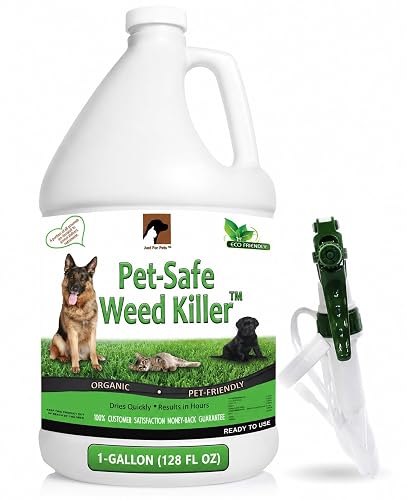
Homemade mixtures are inexpensive to make and easy to adjust, but ready-made natural products often include stronger acids or better surfactants formulated for leaf adhesion. Readers comparing options may find What's a Good Natural Weed Killer? 8 Best Options of 2026 useful for seeing how commercial formulas differ. If you have pets, Natural Weed Killer for Dogs: 7 Best Pet-Safe Picks (2026) covers products selected with animal exposure in mind. For a side-by-side look at homemade versus store-bought, Natural Weed Killer That Works: 7 Best Picks Compared (2026) is a good next read. Anyone wanting to avoid harming turf should also review Natural Weed Killer Safe for Grass: 7 Best Picks Compared (2026).
Recommended gear
A pressure sprayer makes even application much easier than a trigger bottle, especially over larger lawn areas. Owners often report that a fine-mist nozzle reduces overspray onto grass.
- Pump sprayer: Holds pressure for steady coverage across patches of weeds. View on Amazon
- Chemical-resistant gloves: Protect your hands when handling horticultural-strength vinegar. View on Amazon
- Safety glasses: Guard eyes from splashes when mixing or spraying stronger solutions. View on Amazon
- Stiff hand weeder: Removes taproot weeds before they can resprout. View on Amazon
FAQ
Does a natural weed killer mixture kill weeds to the root?
Usually not. Vinegar-based mixtures burn the leaves and stems but rarely reach deep roots. Perennial weeds often need repeated treatments or manual removal.
What strength of vinegar should I use?
Start with 5 percent household vinegar for seedlings. Move to 10 or 20 percent only for stubborn weeds in beds or hardscape, and wear protective gear.
Will the mixture harm my lawn grass?
It can. Lawn grasses are more tolerant than broadleaf weeds, but strong or repeated applications can brown them. Spot-spray and test a small area first.
Is it safe for bees and other pollinators?
Avoid spraying flowers, especially clover and blooming weeds, and never spray while bees are actively foraging. Apply in the early morning or evening only when needed.
Is vinegar weed killer safe for pets?
Dry residue is generally low risk once the spray has dried, but keep pets off treated areas until dry and avoid strong mixtures entirely around animals. If a pet ingests a concentrated product, contact a veterinarian or animal poison control line.
Can I use salt in my natural mixture?
Salt is effective but persists in soil and damages plants for years. Use it only on gravel or cracks where nothing will ever grow, and consult a local extension office if you have questions about soil health.
How often should I reapply?
Check after two to three days and reapply to survivors every one to two weeks during active growth. Most weeds need several passes over a season.
Does dish soap really matter?
Yes. A small amount of surfactant helps the liquid spread across waxy leaves so it absorbs instead of running off.
Conclusion
A natural weed killer mixture works best when you match the strength to the weed, time applications for small and actively growing plants, and protect the bees and desirable plants around them. Expect to reapply, especially for perennials, and pair spraying with hand weeding for the toughest patches. With careful measuring and a calendar, you can keep a tidy lawn without reaching for synthetic herbicides.
Ready to choose one?
About Claire Whitaker
Claire Whitaker is part of our editorial team and reviews and edits our pollinator-safe lawn care guides, checking product details against manufacturer specifications and owner feedback.