By Nora Ashford
Updated November 2026
An all natural weed killer recipe can knock back dandelions, plantain and other broadleaf weeds in a driveway crack, garden path or bed edge without synthetic herbicides. In this guide you will learn a basic homemade mix, how to adjust its strength for different weeds, how to apply it so it stays off your lawn grass and flowering plants, and when a homemade spray simply will not be enough. The recipe is simple, but the results depend heavily on timing, weather and technique.
How a Natural Weed Killer Recipe Actually Works
Most homemade weed killers rely on acetic acid (the active ingredient in vinegar) to burn the leaves and stems of plants on contact. Salt dehydrates plant tissue, and dish soap helps the liquid cling to waxy leaves instead of beading off. Because these sprays act on contact rather than moving through the plant to the roots, they usually damage the top growth only. Perennial weeds with deep taproots or spreading underground stems often regrow, which is why repeat treatments matter.
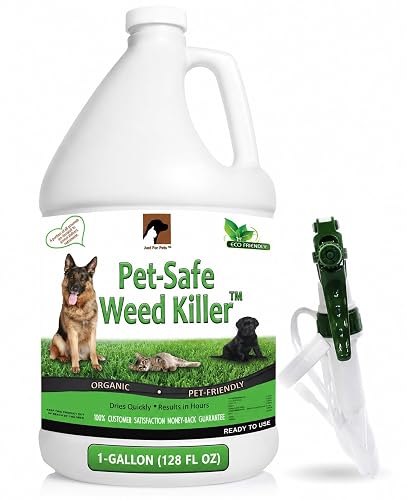
Shopping for one? See our guide: 6 Best All Natural Weed Killer Safes for Dogs: Pet-Safe Picks (2026).
Concentration is the key variable. Household white vinegar is typically around 5 percent acetic acid, which is fine for seedlings and young annual weeds. Horticultural vinegar sold at higher strengths works faster but can injure skin and eyes, so handle it with care. Salt is more persistent in soil and can stay active for a long time, which is why it should be used sparingly and never near desirable plants.
The Basic All Natural Weed Killer Recipe
This is the mix most gardeners start with. Measure carefully, because the proportions affect both effectiveness and how much stays in the soil.
- 1 gallon of plain white vinegar (about 5 percent acetic acid)
- 1 cup of table salt or Epsom-free coarse salt (optional, for stubborn weeds in non-planting areas only)
- 1 tablespoon of liquid dish soap (no bleach, degreasers or added fragrance)
Combine the vinegar and salt first, stirring until the salt dissolves. Add the dish soap last and stir gently so it does not foam excessively. Pour the mix into a clearly labeled spray bottle or a pump sprayer, and never store it in a container that could be mistaken for a drink.
Adjusting Strength for Different Weeds
| Target weed type | Suggested mix | Notes |
|---|---|---|
| Young annual seedlings (chickweed, crabgrass seedlings) | Vinegar and soap only, no salt | Spray on a dry, sunny day when weeds are under 3 inches tall |
| Established broadleaf weeds (dandelion, plantain) | Vinegar and soap, optional salt in non-planting areas | Expect partial kill; plan repeat sprays every 7 to 10 days |
| Tough perennials (Canada thistle, bindweed) | Horticultural vinegar with soap, cut-and-spray method | Repeated treatments over a full season are usually needed |
| Cracks in pavement or gravel paths | Vinegar, soap and salt | Salt is acceptable here because no planting bed is nearby |
Step-by-Step: Applying Your Homemade Spray
Application technique determines whether you get a clean kill or a patchy result that brings the weeds back stronger. Work through these steps in order.
Step 1: Check the Weather
Choose a day with no rain forecast for at least 24 hours and temperatures between about 70 and 85°F. Vinegar works best on warm, sunny days when weeds are actively growing. Avoid spraying in wind, since drift can damage ornamentals, vegetables and the lawn edges you want to keep.
Step 2: Protect Desirable Plants
Cover nearby flowers, herbs and grass with cardboard or a plastic sheet. Vinegar will scorch any green tissue it touches, including clover and the flowers bees rely on. If you are working around flowering plants, spray in the early morning or evening when pollinators are less active, and avoid spraying open blooms altogether.
Step 3: Spray Thoroughly but Precisely
Use a pump sprayer set to a fine mist, and aim for the leaves until they are fully wet. Do not drench the soil, because excess liquid can alter soil pH and harm beneficial organisms. Spray each weed once, then move on.
Step 4: Watch and Wait
Broadleaf weeds typically show browning within a few hours to a day. Check after 24 hours, then 48 hours. Grassy weeds often respond more slowly and may need a second application.
Step 5: Follow Up on Regrowth
Pull out the roots of weeds that are still alive after about a week, using a weed knife or hand fork. Repeat the spray on any regrowth, ideally when the plant is small and the root reserves are low. For a broader strategy on managing recurring weeds without chemicals, see All Natural Weed Killer: 7 Methods That Work Without Chemicals (2026).
Where This Recipe Works Best
Homemade sprays shine in hardscape areas: sidewalk cracks, gravel driveways, patio joints and the base of fence lines. They are less suited to large lawns, where selective control is difficult and the risk of harming turfgrass is high. If you are weeding between pavers specifically, Natural Weed Killer for Between Patio Stones: A Step-by-Step Guide (2026) covers techniques that suit those tight spaces. For beds, the spray works well on weeds growing where you do not want any plant life, but it is not a substitute for careful hand weeding among desirable perennials. The guide on Natural Weed Killer for Garden Beds: A Step-by-Step Guide (2026) explains how to keep the spray out of the root zone of plants you want to keep.
Common Mistakes to Avoid
- Spraying in full sun on a very hot afternoon, which can cause the spray to evaporate before it works and increases the risk of drift.
- Using salt in or near planting beds. It can persist in soil for a long time and make it hard for plants to take up water.
- Expecting one application to kill perennial weeds. Most need several treatments.
- Skipping eye protection and gloves when using horticultural-strength vinegar.
- Adding bleach, ammonia or other household cleaners. These create hazardous fumes and are not part of any safe recipe.
- Applying the spray to wet foliage just before rain, which dilutes it and wastes the application.
Tips for Better Results
- Treat weeds when they are young. Seedlings and small rosettes respond far better than mature plants.
- Pull weeds after rain or watering, when the soil is moist and roots come out more easily.
- Mix only what you need. Vinegar loses some potency over time and is best used fresh.
- Label your sprayer clearly and store it out of reach of children and pets.
- Keep a simple log of which areas you treated and when, so you can see patterns in regrowth.
Recommended Gear
- Pump sprayer with adjustable nozzle: A pressurized sprayer gives an even, fine mist that targets leaves without soaking the soil. View on Amazon
- Chemical-resistant gloves: Nitrile or neoprene gloves protect your skin from stronger vinegar concentrations. View on Amazon
- Safety glasses: Splash protection matters when mixing or spraying at higher acid strengths. View on Amazon
- Stirrup hoe or weed knife: Removing roots and seedlings by hand reduces how often you need to spray. View on Amazon
FAQ
Does vinegar kill weeds permanently?
Not usually. Vinegar burns the top growth of plants on contact, but it rarely reaches deep roots. Annual weeds often die completely, while perennials may regrow and need repeated treatment.
Is this recipe safe for pets?
Vinegar and dish soap are much less toxic than conventional herbicides, but they can still irritate skin and eyes. Keep pets off treated areas until the spray has dried completely, and store the mix securely. If you have a pet that eats plants or digs in beds, check with your veterinarian about specific risks.
Can I use this on my lawn?
Be cautious. The spray will damage grass and clover along with weeds. It is better suited to hardscape and bare areas than to turf.
How much salt should I add?
For non-planting areas only, a common starting point is about 1 cup per gallon of vinegar mix. Salt can accumulate in soil and harm future plantings, so use it sparingly and avoid it near beds.
Why is my homemade spray not working?
Common reasons include spraying in cool or cloudy weather, applying to weeds that are too large, rain shortly after application, or using vinegar that is too weak for the target plant.
How often should I reapply?
For young weeds, one application may be enough. For established perennials, plan to reapply every 7 to 10 days until the plant stops regrowing.
Is horticultural vinegar better than household vinegar?
It works faster on tough weeds, but it is more hazardous to handle. Use protective gear, and never apply it near desirable plants or in windy conditions.
Where can I find more pollinator-safe options?
For a broader comparison of ready-made alternatives, see Top 7 Best Weed Killer All Natural Picks for Pollinator-Safe Lawns and Natural Weed Killer vs Roundup (2026): Which Is Better for Your Lawn?.
Conclusion
A simple all natural weed killer recipe made from vinegar, dish soap and optionally salt can handle many weeds in hardscape areas and young seedlings in beds. Success depends on warm, dry weather, careful application and repeat treatments for tough perennials. Protect your desirable plants, handle stronger mixes with care, and combine spraying with hand removal for the best long-term results.
Ready to choose one?

About Nora Ashford
Nora covers pollinator-safe lawn care, comparing specs, features and long-term owner feedback to help readers choose with confidence.