As an Amazon Associate I earn from qualifying purchases. This page may contain affiliate links.
A clover lawn seed mix lets you replace or overseed a traditional turf area with a low-input, flowering ground cover that feeds bees and holds up to foot traffic. In this guide you will learn how to pick the right blend, prepare the soil, sow at the correct rate and time of year, and care for the new stand through its first season. Done well, a clover lawn seed mix establishes in about six to eight weeks and stays green through typical summer dry spells with little or no irrigation.
What Goes Into a Good Clover Lawn Seed Mix
Most mixes are built around white clover (Trifolium repens) because it is low-growing, spreads by stolons, and tolerates regular mowing. Many blends add a grass companion such as perennial ryegrass, fine fescue, or a turf-type tall fescue to fill gaps and handle wear. Some mixes include small amounts of other low-growing flowering plants. If you are unsure how the pieces fit together, the background in Clover Lawns Explained covers the growth habits in more detail.
Read the label before you buy. Manufacturers usually list the percentage of each seed by weight and the percentage of inert matter and weed seed. Look for:
- Clover content in the range the product describes for lawn use, with grass seed making up the balance.
- A germination rate printed on the bag, typically 80 percent or higher for clover.
- A recent test date, since clover seed loses viability over time.
- Coated or inoculated seed if the label says so, which helps clover fix nitrogen sooner.
Variety matters as much as the blend. Dutch-type white clovers are common in lawn mixes because they stay low, while larger types can flower tall and look rougher. For a deeper comparison, see Choosing the Right Clover Variety for Your Lawn and Best White Clover Seed for Lawns.
Step 1: Assess Your Existing Lawn
Before you sow anything, decide whether you are starting fresh or overseeding. Overseeding works if the turf is thinning but still covers more than half the area. Full renovation is needed if bare patches dominate, the lawn is mostly weeds, or the grass is a species you want to remove.
Check for Weeds and Invasive Plants
Identify what is growing now. Broadleaf weeds, crabgrass, and invasive species will compete with young clover seedlings. Dig out or remove perennial problem plants before sowing. The guide on How to Stop Invasive Plants in Lawns and Gardens explains how to handle the worst offenders without broad-spectrum sprays. Cultural controls such as mowing high and maintaining thick turf are often the most effective long-term approach.
Test Your Soil
Clover prefers a soil pH between about 6.0 and 7.0. It grows best in soil with adequate phosphorus and potassium, and it does not need much added nitrogen once established. A basic soil test from a local extension office will tell you your pH and nutrient levels. Follow the recommendations on the report, and see How to Test Your Lawn’s Soil for a Healthy Pollinator Habitat for guidance on sampling.
Step 2: Prepare the Seedbed
Good seed-to-soil contact is the difference between a dense stand and a patchy one. Clover seed is small, so it needs a firm, lightly worked surface with the seed pressed into the top quarter inch or so.
- Mow the existing lawn short, to about one inch, and bag or rake the clippings.
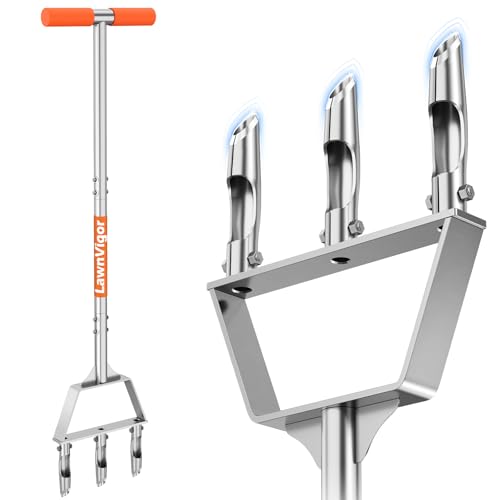
- Aerate compacted areas with a core aerator. Two passes in opposite directions on heavy soil works well. Lawn Aeration for Better Soil Health and Pollinator Support covers timing and method.
- Scratch the soil surface with a rake or a dethatching tool to expose bare soil where you are overseeding. You want roughly 50 percent exposed soil in overseeding situations.
- Add a thin layer of compost, about a quarter inch, to improve structure and biology. Using Compost to Improve Soil for a Bee-Friendly Lawn explains rates and sources.
- Rake the surface level and remove stones, sticks, and debris.
Tools You Will Need
- A rotary or drop spreader calibrated for small seed
- A leaf rake or landscape rake
- A core aerator, rented or borrowed
- A lawn roller, half-filled with water, or the back of a garden rake for pressing seed in
- A measuring tape and a bucket for mixing sand or fine soil with the seed for even spreading
Step 3: Sow at the Right Rate and Time
Seeding rates for clover-grass mixes are usually lower than for pure grass. Manufacturers typically specify rates in pounds per 1,000 square feet, and the label on your bag is the reliable reference for that product. Mixing the seed with a carrier such as dry sand or fine compost helps you cover the lawn evenly, and cutting the spreader setting in half for a second pass across the area reduces streaks.
Timing depends on your climate. In cool-season regions, early fall is generally best, usually six to eight weeks before the first hard frost, when soil is still warm and rainfall is more reliable. Spring sowing can work if you can water consistently. In warm-season regions, consult local extension guidance, since clover often performs best in the cooler months.
| Situation | Suggested Timing | Notes |
|---|---|---|
| Cool-season climate, new seeding | Early to mid fall | Soil still warm, less weed pressure |
| Cool-season climate, overseeding | Early fall | Reduce competition from established turf |
| Spring sowing | After soil workable, before summer heat | Requires steady moisture |
| Warm-season climate | Follow local extension advice | Summer heat stresses young seedlings |
Press the Seed In
After spreading, roll or lightly rake the area so seed sits in contact with the soil. Clover seed should be covered only lightly, about one-eighth to one-quarter inch. Burying it too deep is one of the most common causes of poor emergence.
Step 4: Water for Establishment
Keep the top inch of soil moist, not soaked, until seedlings are about two inches tall. This usually means light watering once or twice a day for the first two weeks, then tapering as roots develop. Once the stand is established, switch to deep, infrequent watering. A timer helps keep the schedule consistent; Setting Up a Watering Timer for a Healthy Lawn explains how to set one.
Step 5: Mow and Maintain the First Season
Do not mow until the new plants are about three to four inches tall. Then set the mower high, around three inches, and remove no more than a third of the leaf height at each cut. Taller clover handles drought better and supports more pollinators. What Is the Ideal Mowing Height for a Pollinator-Friendly Lawn? covers this in detail, and Lawn Mowing and Pollinator Habitat discusses timing around flowering.
Avoid heavy nitrogen fertilizer. Clover fixes its own nitrogen, and excess nitrogen favors grass and weeds over clover. If you do feed the lawn, use a slow-release organic source in modest amounts.
Common Mistakes
- Sowing too deep. Clover seed needs light cover only.
- Letting seedlings dry out. A single dry day during germination can kill a large share of new plants.
- Mowing too early or too low. Cut only after plants reach three to four inches, and keep the blade high.
- Overfeeding nitrogen. This pushes grass and weeds and weakens clover.
- Skipping soil testing. Low pH can stall establishment even with perfect seed and water.
- Ignoring weeds at the start. Pull or spot-treat early, while seedlings are still small.
Tips for Long-Term Success
- Overseed bare spots each fall rather than waiting for a full renovation.
- Leave some areas unmowed for a few weeks in peak bloom to support bees.
- Monitor drought stress and water deeply when needed. Maintaining a Pollinator Lawn During Drought Conditions explains the approach.
- Review the broader approach in How to Start a Pollinator Lawn.
Recommended gear
A calibrated spreader makes a noticeable difference with small seed, since uneven application creates thin and thick zones that take longer to fill in.
- Rotary spreader for even coverage across larger lawns. Many owners find it easier to control application rate than a drop spreader for fine seed. View on Amazon
- Core aerator for loosening compacted soil before overseeding, which improves seed contact and root growth. View on Amazon
- Lawn roller for pressing seed firmly into the soil surface after sowing. View on Amazon
FAQ
How long does a clover lawn take to establish?
Most clover lawn seed mixes germinate within 7 to 14 days under good moisture and warm soil. A dense, usable stand usually takes six to eight weeks, and some areas fill in more slowly over the first full season.
Can I plant a clover lawn seed mix over existing grass?
Yes, if the existing turf is thin enough for seed to reach the soil. Scratch the surface, aerate if needed, and sow according to the label rate. Heavily established turf will compete strongly with clover seedlings, so full renovation may be better.
Does clover need fertilizer?
Clover generally needs little nitrogen because it fixes nitrogen through its roots. It may benefit from phosphorus and potassium if a soil test shows deficiency. Heavy nitrogen feeding tends to favor grass over clover.
Is clover safe for dogs and children?
White clover is generally considered low risk for most pets and people, but individual sensitivities vary. If you have concerns about a specific animal or child, consult a veterinarian or healthcare provider before sowing a lawn.
Will clover attract bees to my lawn?
White clover flowers are a common nectar and pollen source for honey bees, bumble bees, and other pollinators. Keeping flowers available and avoiding insecticide use on blooming areas supports pollinator activity. For timing, see Safely Timing Lawn Treatments Around Pollinator Activity.
Can I walk on a clover lawn?
Clover tolerates light to moderate foot traffic once established, and many mixes include grass to add wear resistance. Heavy use, such as sports play, may thin the stand over time. Allow a few weeks of rest after sowing before regular traffic.
What is the best time to mow a clover lawn?
Mow when the lawn reaches about four inches, keeping the blade near three inches. Avoid cutting during peak bloom if you want to protect pollinators, and consider raising the mower height during dry periods.
Do I need to reseed every year?
Not necessarily. Many clover stands persist for years, spreading by stolons and self-seeding. Overseeding thin areas each fall keeps coverage dense, and you can add seed where bare spots appear.
Conclusion
A clover lawn seed mix can give you a green, flowering, low-input lawn that supports bees and other pollinators. Success depends on choosing a sound blend, preparing the seedbed, sowing at the right depth and time, and keeping the young stand moist and unmowed until it is established. Start with a soil test and a clear plan, and the lawn will reward you with steady improvement season after season.