As an Amazon Associate I earn from qualifying purchases. This page may contain affiliate links.
A clover and grass lawn blends turf grass with low-growing clover, usually white clover, to create a yard that stays green with less fertilizer and blooms through much of the growing season. Clover fixes nitrogen from the air, so it feeds itself and the grass around it. This guide walks you through choosing the right mix, preparing your soil, sowing, mowing, and keeping the balance right so your lawn stays dense, healthy, and useful to pollinators.
Why Mix Clover With Grass?
Pure turfgrass lawns are demanding. They need regular nitrogen, frequent watering in dry spells, and constant weed patrol. Adding clover changes the equation in several ways:
- Natural nitrogen. Clover hosts nitrogen-fixing bacteria in its roots. Over time, that nitrogen becomes available to neighboring grass plants.
- Flowers for bees. White clover blooms from late spring into fall, providing nectar and pollen for honey bees, bumble bees, and many native species.
- Greener color in dry weather. Clover roots often reach deeper than shallow turf roots, so the patch stays greener longer during dry spells.
- Fewer weeds. A thick, living cover leaves less open soil for weed seeds to germinate.
There are trade-offs. Clover can look lumpy if it dominates, it attracts bees (which is the point, but it matters if children or pets play barefoot), and it can be harder to keep uniform in shade. Most homeowners aim for a ratio of roughly 10 to 30 percent clover, not a solid clover carpet. For background on how these lawns work, see Clover Lawns Explained, which covers the biology in more detail.
Choosing the Right Grass and Clover Mix
The grass in your mix should match your climate, sun exposure, and how much traffic the lawn gets. The clover should be a low-growing, stoloniferous type that spreads and refills bare spots.
Grass Options by Region
- Cool-season grasses (tall fescue, perennial ryegrass, Kentucky bluegrass, fine fescues) suit the northern half of the US. Tall fescue handles heat and drought better than bluegrass.
- Warm-season grasses (Bermuda, zoysia, buffalograss, St. Augustine) suit the South and Southwest. They go dormant and brown in winter, while clover may stay green longer in mild climates.
Clover Options
Dutch white clover is the standard choice for most lawns. Micro clover is a smaller-leaved selection that blends more smoothly into turf and mows more evenly. Both are discussed in Micro Clover Seed for Lawn: How to Sow It for a Lush, Bee-Friendly Yard and Dutch Clover Lawn Seed: A Step-by-Step Guide to a Bee-Friendly Lawn. For a side-by-side comparison, read Choosing the Right Clover Variety for Your Lawn.
A common starting ratio for a clover and grass lawn seed mix is about 5 to 10 percent white clover by weight, with the rest made up of grass seed suited to your region. If you buy a ready-made blend, check the label for the clover percentage and the grass species list.
Step-by-Step: Starting a Clover and Grass Lawn
Step 1: Test Your Soil
Clover prefers slightly acidic to neutral soil, roughly pH 6.0 to 7.0. Grass is more tolerant. A basic test through your county extension office will tell you pH and nutrient levels. If pH is below 6.0, lime may help, but apply it based on the test result rather than guessing. For soil structure basics, see Soil Health for Home Lawns: The Basics.
Step 2: Prepare the Seedbed
- Mow the existing lawn short, about 1 to 2 inches, and remove clippings.
- Rake or dethatch if thatch is more than about half an inch thick.
- Loosen the top 1 to 2 inches of soil with a rake or core aerator. Seed-to-soil contact is essential.
- Spread a thin layer of compost, about one-quarter inch, to improve texture. See Using Compost to Improve Soil for a Bee-Friendly Lawn.
Step 3: Sow the Seed
Use a spreader calibrated for small seeds. Clover seed is tiny, so a drop or broadcast spreader set low works well. Divide the seed in half and sow in two directions, crossing your passes. Recommended rates vary by product, so follow the bag. For spreader choices, see 29 Best Lawn Seed Spreaders for Clover.
Step 4: Press and Water
Lightly roll or tread the area so seed sits against the soil but remains partly exposed. Keep the top inch of soil moist, not soaked, until seedlings are about an inch tall. This usually means light watering two or three times a day for the first week or two, then tapering off.
Step 5: Establish and First Mow
Expect germination within 7 to 14 days for most clover and cool-season grasses. Wait until grass reaches about 3.5 inches before the first mow, and set the blade high.
Mowing and Maintenance for the Mix
Mowing is the single biggest factor in keeping a clover and grass lawn balanced. Set your mower high and avoid cutting more than one-third of the blade length in one pass.
| Grass Type | Recommended Mowing Height | Mowing Frequency |
|---|---|---|
| Tall fescue | 3 to 4 inches | Every 7 to 10 days in spring |
| Kentucky bluegrass | 2.5 to 3.5 inches | Every 5 to 7 days in spring |
| Perennial ryegrass | 2 to 3 inches | Every 5 to 7 days in spring |
| Bermuda | 1 to 2 inches | Weekly in growing season |
Clover tolerates mowing at these heights and flowers at a lower height, so you can mow frequently without losing it. For more on height choices, see What Is the Ideal Mowing Height for a Pollinator-Friendly Lawn?
Watering
Deep, infrequent watering encourages roots. Aim for about 1 inch of water per week, including rainfall, and water early in the morning. A timer helps with consistency; see Setting Up a Watering Timer for a Healthy Lawn.
Fertilizer
Most clover and grass lawns need little or no added nitrogen. Use a slow-release organic fertilizer in fall if grass looks thin, and avoid heavy synthetic nitrogen, which can push grass to outcompete clover.
Managing the Balance Over Time
Clover and grass compete. If you feed grass heavily, grass will crowd out clover. If you neglect the lawn, weeds may move in. Watch the patches each season and adjust:
- If clover takes over, mow higher and reduce any extra feeding.
- If grass thins, overseed with grass seed in early fall and add a light layer of compost.
- If weeds appear, identify them first. Some flowering plants are valuable; see Weed or Wildflower? A Lawn Gardener’s Guide.
Avoid broad-spectrum sprays. Targeted, spot-level control protects the bees and other beneficial insects the lawn is meant to support. See Lawn Weed Management Without Routine Broad-Spectrum Spraying and Getting Rid of Clover on Lawn: 7 Steps That Work Without Harming Bees if clover becomes too dominant in a specific area.
Checklist: What You Need
- Soil test kit or county extension test
- Core aerator or sturdy rake
- Compost, about one-quarter inch layer
- Clover and grass seed mix matched to your region
- Broadcast or drop spreader
- Rotary or reel mower with adjustable height
- Hose with a gentle spray nozzle or sprinkler
Common Mistakes
- Sowing clover into thick, unprepared turf. Seed needs soil contact. Scalp or aerate first.
- Mowing too short. Low cuts stress grass and favor weeds.
- Overfeeding nitrogen. Grass grows vigorously and shades out clover.
- Letting seedlings dry out. Germination is fragile in the first two weeks.
- Using a herbicide-heavy approach. Many lawn herbicides also harm clover and pollinators. Read labels carefully and see Responsible Lawn Product Selection.
- Mowing during peak bloom without thought. Blooming clover is a major nectar source; consider mowing less often or at higher heights during flowering periods. See Safely Timing Lawn Treatments Around Pollinator Activity.
Tips for Success
- Sow in early fall for cool-season regions, when soil is warm and rain is more reliable.
- Start small. A 200-square-foot test patch will teach you more than a full lawn conversion.
- Keep a simple log of mowing dates, rainfall, and bloom timing. It makes seasonal adjustments easier.
- Check local rules. Some towns regulate lawn height or require certain turf, so verify before converting.
Recommended gear
- Drop or broadcast spreader. Small clover seeds need even distribution, and a calibrated spreader makes that easier. View on Amazon
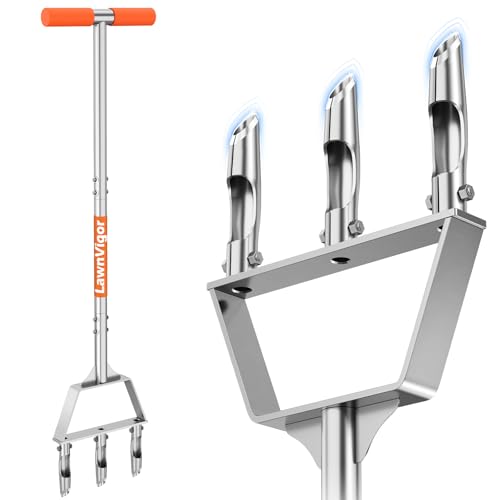
- Core aerator. Pulling small plugs improves seed-to-soil contact and loosens compacted areas. View on Amazon
- Soil test kit. A pH and nutrient kit helps you decide whether lime is needed before seeding. View on Amazon
- Adjustable-height rotary mower. A mower that sets high is key to keeping clover and grass in balance. View on Amazon
FAQ
How much clover should be in a clover and grass lawn?
Most homeowners aim for about 10 to 30 percent clover coverage. That gives bloom and nitrogen benefits without a lumpy, all-clover look.
Does clover really add nitrogen to grass?
Yes. Clover roots host bacteria that convert atmospheric nitrogen into a form plants can use. Some of that nitrogen becomes available to neighboring grass as plant material breaks down.
Is clover safe for kids and pets?
White clover is generally considered low-risk, though some pets may react to large amounts. Blooming clover attracts bees, so keep an eye out during peak flowering. For specific health concerns, consult a veterinarian or pediatrician.
When is the best time to plant a clover and grass lawn?
In cool-season regions, early fall is ideal. In warm-season regions, late spring into early summer usually works best, depending on the grass species.
How often should I mow a clover lawn?
Mow based on grass height rather than the calendar. Most cool-season lawns need mowing every 5 to 10 days in spring, keeping cuts at 2.5 to 4 inches.
Will clover kill my grass?
Not usually. Clover and grass coexist well when mowing and fertilizing are balanced. Problems arise when one species dominates because of heavy feeding or neglect.
Can I add clover to an existing lawn without reseeding everything?
Yes. Overseeding thin areas with clover in early fall works well. Scalp, aerate, and sow, then keep the seed moist until established.
Do I need to remove clover if I already have it?
Usually no. If it becomes too dominant, adjust mowing height and feeding first. For stubborn patches, see Clover Killer for Lawn: How to Remove Clover Safely (Without Harming Bees).
Conclusion
A clover and grass lawn rewards a little planning with a greener, lower-maintenance yard that supports pollinators from spring through fall. Start with a soil test, choose a grass and clover mix suited to your climate, and sow carefully. Mow high, feed lightly, and adjust the balance each season. Over time, the lawn will largely care for itself.