As an Amazon Associate I earn from qualifying purchases. This page may contain affiliate links.
Micro clover seed for lawn use is one of the simplest ways to build a dense, green, pollinator-friendly yard without relying on synthetic nitrogen. In this guide you will learn how to prepare your soil, choose the right seeding rate, sow at the correct time of year, and maintain the clover so it spreads and blooms. By the end, you will have a practical plan you can follow from bare patches to a full, low-mowing carpet.
What Micro Clover Is and Why Lawns Use It
Micro clover, usually a dwarf white clover type, grows lower and finer than standard white clover. Its leaves are smaller, it tolerates foot traffic reasonably well, and it spreads by stolons that root at the nodes. Because clover is a legume, it hosts nitrogen-fixing bacteria in its roots, which can supply some of the nitrogen the grass needs. Clover also produces small white flowers that bees and other pollinators visit. For a deeper look at how these lawns work, see Clover Lawns Explained.
Micro clover seeds for lawn renovation are often blended with grass seed rather than sown alone. A blend lets the grass fill in quickly while the clover establishes and spreads over the following season.
Step 1: Decide Whether Micro Clover Fits Your Lawn
Micro clover does well in full sun to light shade and in soils that are not waterlogged. It is a strong choice if you want less fertilizer, a lawn that stays green in dry spells, and flowers that support bees. It is a weaker choice if you need a lawn that stays perfectly uniform in color or can handle heavy, daily sports use. Clover also grows less vigorously in deep shade and in very acidic soil. Before you commit, review Choosing the Right Clover Variety for Your Lawn to confirm you are picking the right type for your conditions.
Step 2: Test and Prepare the Soil
Clover prefers a soil pH between about 6.0 and 7.0. A basic test kit or a university extension lab will tell you where you stand. If pH is low, lime may be needed, but apply it only according to a test result. Read How to Test Your Lawn’s Soil for a Healthy Pollinator Habitat for sampling methods.
Remove Thatch and Loosen the Surface
Mow the existing lawn short, rake out loose debris, and dethatch if thatch is thicker than about half an inch. Clover seed needs direct contact with soil to germinate. Bare patches should be scratched to a depth of about a quarter inch so seed can settle into the soil.
Aerate Compacted Areas
If the soil is compacted, core aeration before overseeding improves seed-to-soil contact and root growth. Our guide on Lawn Aeration for Better Soil Health and Pollinator Support explains timing and equipment.
Add Compost If Needed
A thin layer of compost, about a quarter inch, improves soil structure and microbial life. Spread it evenly and rake it in before seeding. More detail is in Using Compost to Improve Soil for a Bee-Friendly Lawn.
Step 3: Choose Your Seeding Rate and Blend
Seeding rates vary by product and manufacturer, so always follow the label. As a general guide for overseeding an existing lawn, many blends call for a light application of clover seed, roughly one to two pounds per thousand square feet, mixed with grass seed. For a clover-dominant lawn, rates are often higher. Buy seed that is fresh, labeled with a germination percentage, and free of noxious weed seed. For options and a comparison of seed types, see Best White Clover Seed for Lawns.
Inoculated seed carries the right rhizobia bacteria for clover roots. Many growers report better early establishment with inoculated seed, particularly in soils where clover has not been grown before.
Tools You Will Need
- Soil test kit or extension lab submission form
- Dethatching rake or power rake
- Core aerator (for compacted soil)
- Broadcast or drop spreader calibrated to the seed rate
- Compost, if amending
- Garden hose or irrigation with a fine spray setting
- Mower set to the recommended height
Step 4: Sow at the Right Time
Timing depends on your climate zone. In cool-season regions, early fall is usually best, when soil is still warm and rainfall is more reliable. Spring seeding can work, but seedlings face heat and drought stress sooner. In warmer southern regions, clover is often sown in fall or late winter. Check your local extension office for regional dates.
| Region type | Best sowing window | Key consideration |
|---|---|---|
| Cool-season (northern US) | Late summer to early fall | Allow 6 weeks before hard frost |
| Transition zone | Early fall or early spring | Avoid peak summer heat |
| Warm-season (southern US) | Fall or late winter | Establish before summer drought |
Seeding Steps
- Divide the seed in half. Spread one half in one direction across the lawn.
- Spread the other half perpendicular to the first pass for even coverage.
- Lightly rake or drag the area so seed contacts soil, then lightly roll if you have a lawn roller.
- Water lightly two to three times daily for the first two weeks, keeping the top inch moist but not saturated.
- Reduce to deeper, less frequent watering once seedlings are established.
Step 5: Establish and Maintain the Clover
Keep foot traffic off new seedlings for at least four to six weeks. Wait until the clover is well rooted before the first mowing, and mow high. Mowing height matters for both clover health and pollinator value. See What Is the Ideal Mowing Height for a Pollinator-Friendly Lawn? for guidance on settings.
Mowing Practices
Set the mower higher than you would for a standard grass-only lawn, typically around three inches for a mixed clover lawn, and sharpen the blade so cuts stay clean. Leave clippings on the lawn when the cut is light. Our article on Lawn Mowing and Pollinator Habitat explains timing around flowering.
Watering and Feeding
Clover needs less nitrogen than grass, so avoid heavy synthetic feeding, which can push grass to dominate. A light application of organic fertilizer in fall can support both grass and clover. For drought periods, see Maintaining a Pollinator Lawn During Drought Conditions. If you use a timer, Setting Up a Watering Timer for a Healthy Lawn covers schedules.
Managing Weeds
Dense clover shades out many weeds naturally. For problem species, identify them first using Lawn Weed Identification and consider hand removal before any other step. Avoid broad-spectrum sprays, which can harm clover and visiting insects. Lawn Weed Management Without Routine Broad-Spectrum Spraying outlines lower-impact options.
Common Mistakes to Avoid
- Sowing too deep. Clover seed needs light contact with soil, not burial.
- Letting seedlings dry out during the first two weeks.
- Mowing too short, which stresses young plants and reduces flowering.
- Using heavy nitrogen fertilizer, which favors grass over clover.
- Applying weed killers too soon after seeding.
- Buying cheap, old seed with low germination.
Tips for Better Results
- Overseed in two passes at different angles for even coverage.
- Keep records of seeding dates, rates and weather so you can improve next year.
- Give clover time. Full coverage often takes a full growing season or more.
- Check for pests and disease with Monitoring and Thresholds in Lawn IPM Programs if you see unusual patches.
- Consider flowering companions in borders using Low-Growing Flowering Plants for a Blooming Lawn.
Recommended Gear
A calibrated spreader makes even seeding far easier, especially with small seed sizes. Look for a broadcast or drop model that lets you set low rates. View on Amazon is a commonly used compact option for small lawns.
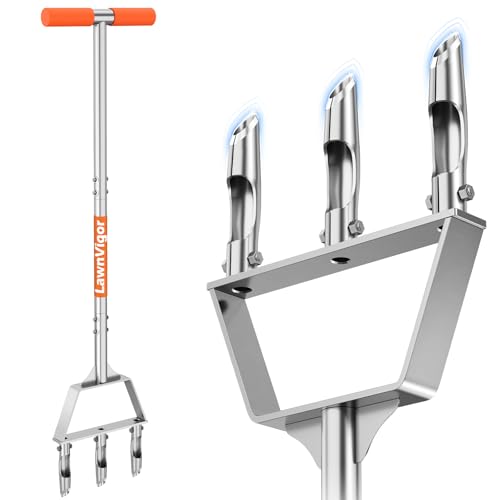
A core aerator helps compacted soil accept seed. A manual or walk-behind model is a good fit for most home lawns. View on Amazon is one example of a rolling core tool for residential use.
A dethatching rake removes debris and loosens the surface before sowing. View on Amazon is a typical lightweight choice for smaller areas.
A soil test kit gives you pH and nutrient information before you seed. View on Amazon is widely sold for home gardeners.
FAQ
How long does micro clover seed take to germinate?
Under good moisture and warm soil, germination often begins within about one to two weeks. Full coverage can take much longer, sometimes a full season.
Can I sow micro clover without grass seed?
Yes, a clover-only lawn is possible, but it is usually established by overseeding or in a prepared bed. A grass-and-clover blend is more common for renovation because grass fills gaps quickly.
Will micro clover take over my lawn?
It can spread widely, but it usually coexists with grass. Mowing height and fertility influence the balance. Adjust your practices if you want more grass or more clover.
Is micro clover safe for pets?
Clover is generally considered low risk, but individual animals vary. If you have concerns about your pet eating lawn plants, consult your veterinarian or a poison control resource.
Do bees really visit micro clover?
Yes, honeybees and many wild bees forage on clover flowers. Flowering is strongest in warm weather, and it can be reduced by very frequent mowing.
Can I apply weed killer after seeding?
Wait until the clover has been mowed several times and is well rooted. Broad-spectrum herbicides can damage young clover, so use spot treatments or hand removal first.
Should I hire a professional for seeding?
For large, severely compacted, or heavily damaged lawns, a local lawn care professional or extension service can recommend a specific plan. Consult them for site-specific guidance.
Conclusion
Micro clover seed for lawn renovation works best when you test your soil, prepare the surface, seed at the right time, and keep mowing high. Clover is patient but rewarding, often filling in fully within one growing season. With consistent care, you will get a dense, low-input lawn that supports pollinators and stays green with less fertilizer.